Garden Design Briefs: Trends, Tools, and Plant Picks for 2026
From eight shaping forces to mosquito-repelling plants, here are the garden and landscape developments worth noting this season.

Eight Trends Shaping Gardens in 2026
Eight distinct trends are shaping the gardening world in 2026. These include shifts toward smaller-space solutions, container-focused planting, and designs that balance aesthetics with practical pest management. The trends reflect a broader move toward gardens that work harder — combining beauty with function, whether through edible beds, shade-tolerant plantings, or mosquito-deterrent species. Gardeners are increasingly designing with constraints in mind, treating limited square footage not as a limitation but as a design parameter.
Container Gardening Solves Space and Aesthetic Problems
Containers offer both visual impact and practical problem-solving for gardeners working with patios, rooftops, or compact yards. Garden Design notes that container planting can address challenges like poor soil, limited sun, and the need for seasonal flexibility. The approach works across styles — modern, cottage, or transitional — and allows gardeners to move plants as conditions change. For those transforming a backyard or front yard into usable outdoor space, containers provide a low-commitment entry point that still delivers a polished look.
Twelve Plants That Repel Mosquitoes
Mosquito-repelling plants can be woven directly into existing garden beds and container arrangements, working as part of the landscape rather than set apart as a pest-control measure. Species suited to full sun and varieties that tolerate shade both appear on the list, so the strategy applies across a range of yard exposures. For anyone tired of relying on chemical repellents to enjoy time outdoors, growing deterrent plants offers a layered, living solution that blends with the rest of the garden.
Four Natural Methods for Grub Worm Control
Grub worms feed on root systems, damaging lawns and garden beds from below. Natural control methods avoid synthetic chemicals, relying instead on biological and cultural interventions that work within the garden's own ecosystem. Because different approaches target different stages of the grub lifecycle, gardeners can choose a method based on when they discover the infestation rather than treating every situation the same way.
Zone-Specific Plant Picks for Perennials, Shrubs, and Trees
Garden Design's plant recommendations span USDA Hardiness Zones 3 through 9, covering a wide range of climates across North America. The publication separates its picks into categories — shade perennials, sun-loving annuals, and woody plants — so gardeners can match species to their specific conditions. This zonal approach reflects a broader trend toward regionally appropriate planting, where success depends less on wishful thinking and more on choosing species that thrive in a given climate. The guidance covers both ornamental and functional plantings.
Design Principles for Satisfying Gardens
Eight design principles help gardeners create successful, satisfying spaces that feel cohesive rather than cluttered. The principles address layout, plant selection, and the relationship between built and planted elements. They apply across styles — whether the goal is a modern minimalist look or a cottage-style abundance. The principles are foundational rather than prescriptive: a framework adapted to individual tastes and site conditions, not a checklist to follow literally.
Deer-Resistant Planting Strategies
For gardeners in areas with deer pressure, Garden Design recommends filling beds with shrubs, perennials, and other plants that deer tend to avoid. The approach prioritizes species with strong scents, bitter tastes, or textures that deter browsing. Rather than relying on fencing or repellents alone, the strategy integrates deer resistance into the garden's design — choosing plants that look good and happen to be unpalatable to wildlife. The publication notes that no plant is completely deer-proof, but certain species are far less likely to be damaged.
Natural Weed Control: Ten Approaches
Garden Design outlines ten natural methods for controlling weeds in lawns and garden beds, avoiding herbicides in favor of cultural and mechanical strategies. The approaches include mulching, targeted removal, and planting techniques that outcompete weeds. The publication frames weed management as an ongoing practice rather than a one-time fix, emphasizing that consistent effort prevents larger problems. For gardeners committed to chemical-free maintenance, these methods provide a toolkit that addresses both prevention and removal without compromising soil health or plant safety.
Keep reading
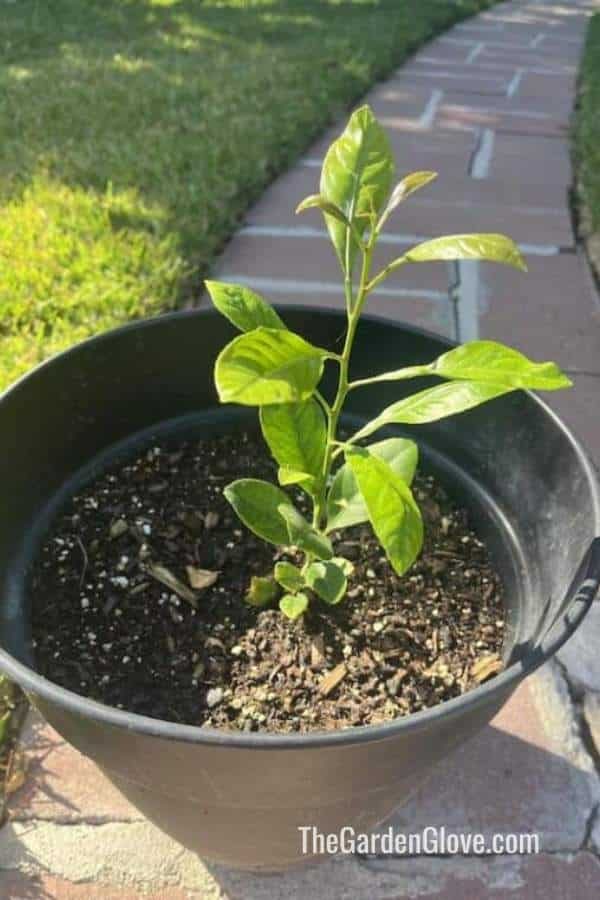
The 7 Decisions That Determine Your Lemon Tree's Fate
From picking the right seeds to deciding on a nursery tree, these seven choices cover pot, sun, transplant timing, pest control, and long-term care.
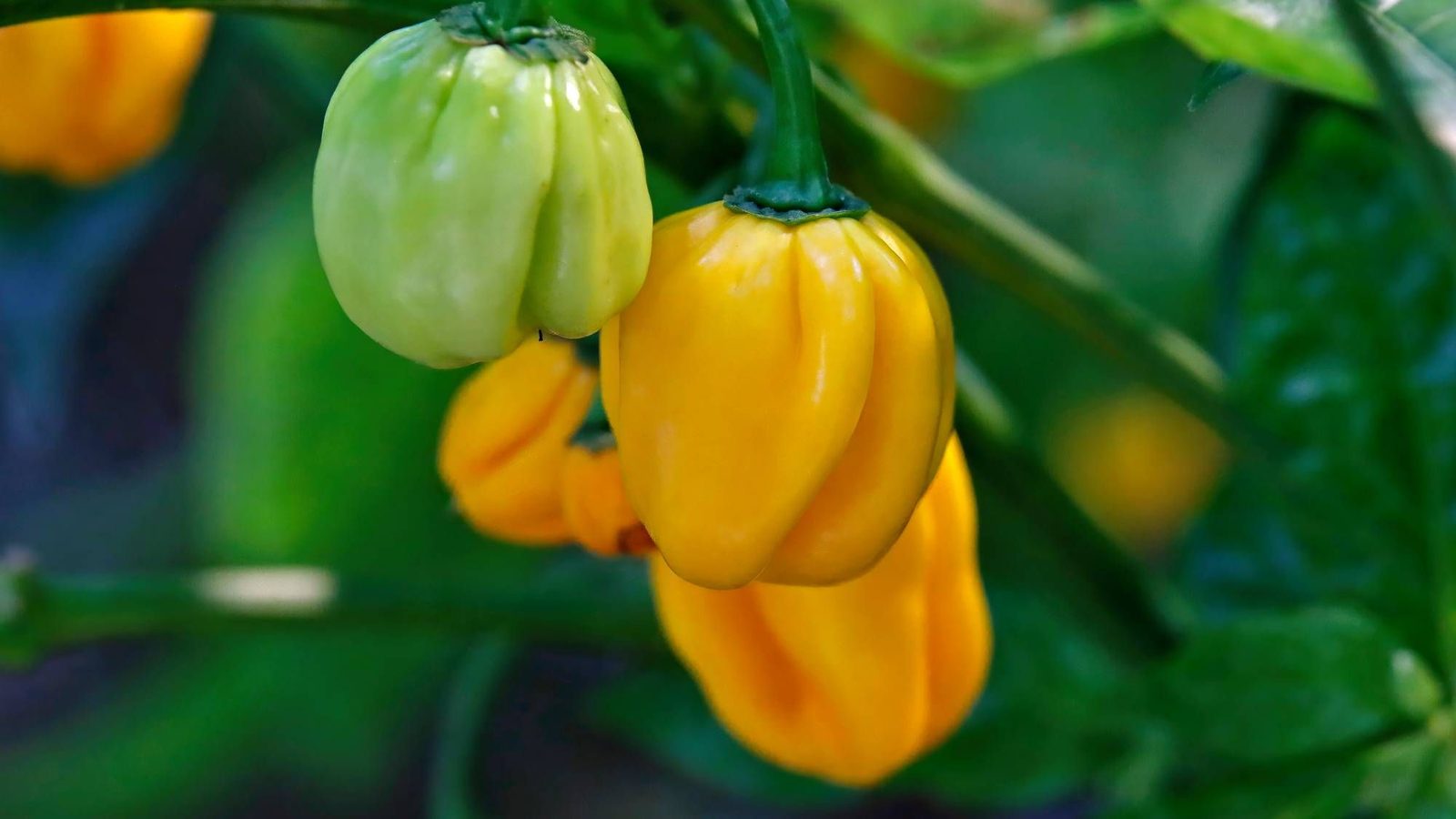
Bare Pepper Stems in August? Read the Order of the Damage
When pepper plants shed their leaves late in the season, the pattern of loss and the weather tell you which of four failures is at work — and what to do before the fruit scalds.
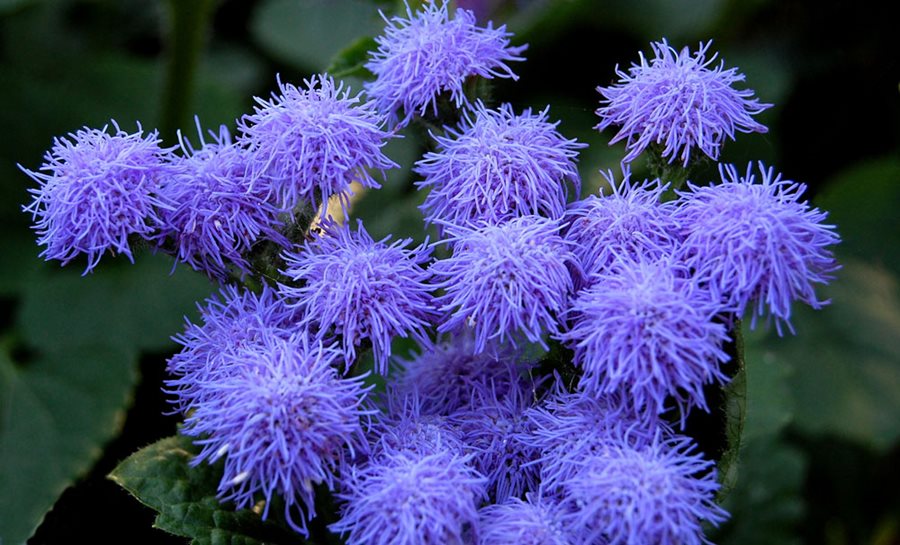
Floss Flower Drops Months of Blue Into a Summer Bed — Here's How to Keep It Happy
Ageratum earns its spot as a bedding-plant staple: pompom blooms from late spring to frost, in a color most annuals can't touch.