Floss Flower Drops Months of Blue Into a Summer Bed — Here's How to Keep It Happy
Ageratum earns its spot as a bedding-plant staple: pompom blooms from late spring to frost, in a color most annuals can't touch.
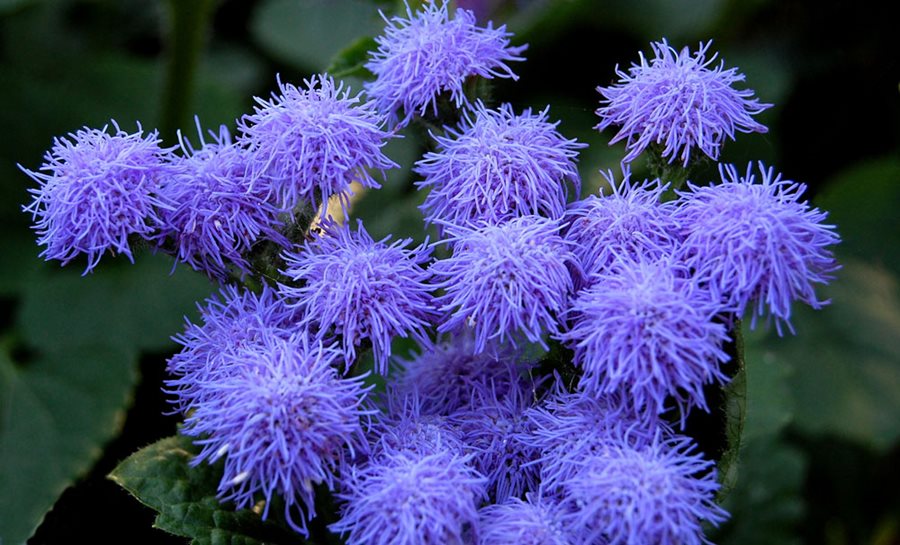
Is ageratum toxic to pets or livestock?
Every part of the ageratum plant is poisonous. In grazing animals the toxin causes liver lesions — a structural injury to the organ that can progress to serious, sometimes irreversible damage. Cats, dogs, and humans are also at risk if any part of the plant is ingested. Because the poison is present in the stems, leaves, and flowers rather than concentrated in one spot, there is no safe portion to chew or taste. A child who puts a handful of floss flower in their mouth or a dog that grazes a border needs prompt professional attention: call poison control or a veterinarian immediately rather than waiting for symptoms to appear, since early intervention matters more than watching and hoping. Practically, this changes where you site the plant. Keep ageratum out of reach of animals that browse — that means no low edging along a pasture fence or a kennel run. In mixed beds, place it behind barriers that discourage casual nibbling, or choose a different annual entirely if your yard includes livestock or unsupervised pets. The same logic applies to edible gardens: do not tuck ageratum into a vegetable bed or herb spiral where a forager might confuse it with a crop. The plant's appeal to butterflies, hummingbirds, and insect pollinators is real, but so is the risk to anything that eats it, and the two facts have to coexist in your planning.
Can I grow ageratum from seed, or should I buy nursery starts?
Both paths work, but the timelines and the effort involved diverge enough that most gardeners end up choosing one or the other based on how soon they want flowers. Starting from seed indoors gives you the most control: sow 8 to 10 weeks before your last average frost date, pressing seeds gently into a soil mix without covering them, because they require light to germinate. Keep the medium consistently moist — not waterlogged, just evenly damp — until leaves emerge, which takes 5 to 14 days depending on temperature and light. Once seedlings are sturdy and frost danger has passed, transplant them outdoors. The payoff is a filled-in bed by early summer. Direct-sowing outdoors after your last frost is also possible, but plants will not bloom until late summer or fall, which shortens the display window considerably. Ageratums are heat lovers and will fail to thrive if the soil or air is too cold at transplant time, so resist the urge to set them out early. Nursery starts from tray packs or flats sidestep the indoor seed-starting stage entirely. You buy plants that are already several weeks along, set them in the ground after frost, and get flowers weeks sooner. The trade-off is cost per plant and a narrower variety selection — seed catalogs carry far more options than a garden center shelf. For either method, choose a site with rich, well-draining soil that will stay evenly moist, and space taller varieties 12 inches apart, shorter varieties 6 inches apart, so each plant has room to fill out without crowding its neighbors.
How much sun does ageratum actually need?
Full sun produces the most blooms — that is the consistent rule across every variety. Six or more hours of direct light per day is the target, and plants that hit that mark stay compact, flower heavily, and hold their color through the season. In hot regions, particularly Zones 10–11 where ageratum can behave as a perennial, afternoon shade prevents heat stress without sacrificing too many flowers. The plant will still bloom in partial shade, but the drop-off is measurable: fewer flower clusters and stems that stretch and lean, giving the bed a leggy, sparse look. Too much deep shade makes the problem worse — plants become weak-stemmed and bloom very little, at which point they are not earning their space. The practical test is simple: pick a spot where morning sun hits hard and late-day light is filtered or absent, especially south and west of structures or taller plantings. In cooler climates, full sun all day is fine and even preferred. In the lower South or desert Southwest, that same exposure can scorch, so a bed that gets six hours of direct morning light and dappled afternoon relief is ideal. Ageratum is not fussy about soil pH, but it does need well-draining ground — standing water after a rain or irrigation cycle will cause root problems faster than a few hours of shade will. Container growers should place pots where they receive maximum light and rotate them if one side starts lagging.
Why do my ageratum plants keep wilting?
Ageratum has shallow roots, and that single fact drives most of the wilting problems home gardeners see. Shallow roots sit in the top few inches of soil, which dries out faster than deeper layers — a hot spell can wilt a bed that looked fine the day before. The fix is consistent moisture: water at least weekly, more often during warm spells, and do it in the morning so foliage dries before nightfall. Wet leaves overnight invite foliar disease; drip irrigation or watering at the base of the plant avoids that risk entirely. Overhead watering also wastes water on evaporation and can splash soil-borne pathogens onto leaves. Beyond watering technique, soil conditions matter. Ageratum needs well-draining ground — waterlogged soil or chronic overwatering causes root rot, which shows up as wilting even when the soil is wet. If plants wilt despite regular watering, check drainage: heavy clay that holds water at the root zone will rot roots as surely as drought will desiccated them. Amending the bed with organic matter before planting improves both retention and drainage. Mulch with shredded leaves or compost to suppress weeds and conserve moisture between waterings, but keep mulch several inches away from the base of the plant to prevent crown or stem rot — mulch piled against the stem traps moisture right where the plant is most vulnerable. Yellow leaves can signal insufficient fertilizer, which weakens plants and makes them more prone to stress-related wilting. A granular slow-release fertilizer mixed into the soil at planting, reapplied mid-season, or a water-soluble fertilizer twice monthly according to package instructions, keeps plants vigorous enough to bounce back from a hot day.
What's the difference between dwarf and tall ageratum varieties?
Ageratum varieties span a wide range — from a few inches high to three feet tall — and the differences in height and habit change where each type fits in a landscape. Dwarf types top out around 4 inches and spread 6 to 18 inches wide, making them natural edging plants along pathways, filler in container rims, and tuck-ins at the front of a border where taller plants would block the view. Their compact, densely mounded habit means they knit together into a continuous ribbon of color without gaps. Taller varieties reach up to 36 inches with stems long enough for cutting, and their looser, more upright form gives them a different role: midway in a mixed border, standing beside other summer bloomers, or filling a vase. Mid-height forms — roughly 12 to 18 inches — bridge the two, useful in beds where you want mass without the sprawl of the dwarfs or the staking the tallest types sometimes need. The Artist® series, at about 10 to 12 inches, has a practical advantage most others lack: it grows up over spent blooms, covering them without deadheading, so the display stays tidy with less maintenance. Most other varieties do require deadheading to keep flowers coming, though cutting plants back when they look tired or outgrow their space triggers a flush of new blooms within a week or two. For containers and window boxes, the low growers combine easily with other annuals that share similar needs — petunias, coleus, pelargonium — filling the filler slot in a thriller-filler-spiller arrangement. For bouquets, choose the tall forms with long stems; they stand up in a vase and hold their pompom shape.
Which pests and diseases actually hit ageratum?
When planted in the right site — full sun, good drainage, steady air movement — ageratum resists most pests and diseases. The problems that do appear almost always trace back to stressed plants in suboptimal conditions, not to some inherent vulnerability in the species. Powdery mildew is the most common fungal issue. It shows up as a white, dusty coating on leaves when plants sit in shade with poor circulation and high humidity. The fix is preventive: site selection that gives plants sun and airflow, and spacing that keeps foliage from staying damp. Root rot is the other fungal threat, and it follows waterlogged soil or chronic overwatering rather than any pathogen acting alone. Heavy clay that traps water at the root zone, saucers under containers that never drain, or irrigation schedules that keep the ground perpetually soggy all create the conditions root rot needs. On the insect side, three pests are worth scouting for: spider mites, aphids, and whiteflies. Spider mites thrive in hot, dry conditions and leave stippled, bronzed leaves. Aphids cluster on new growth and excrete honeydew that attracts sooty mold. Whiteflies cloud up when disturbed and weaken plants by sucking sap. None of these are inevitable; they cluster around stressed plants in suboptimal conditions. Healthy ageratum in a well-chosen site with proper watering and fertilizing rarely has serious insect problems. If pests do appear, early detection matters — check the undersides of leaves and the growing tips weekly during the growing season.
What plants pair well with ageratum in a bed or container?
Ageratum's blue pompoms make it one of the few reliable sources of true blue in the summer garden, and that scarcity shapes how designers use it. For a patriotic display, combine blue varieties with white pelargonium and Vista™ Red salvia — the three bloom together through the heat of summer and hold their color saturation when other annuals fade. In containers, low-growing ageratum fills the middle slot in a thriller-filler-spiller arrangement: pair it with an upright angelonia or coleus as the thriller and a trailing calibrachoa or sweet alyssum as the spiller. The Artist® Blue ageratum, Angelface® Perfectly Pink angelonia, and Diamond Delight® euphorbia make a tested three-plant container recipe that works in full sun. Along pathways and borders, dwarf varieties edge the bed with months of continuous color, knitting together into a continuous ribbon that suppresses weeds at the same time. For a cut-flower bed, grow taller ageratum forms with other summer bloomers such as cosmos, sunflowers, zinnias, and dahlias — the pompom texture contrasts with the larger, simpler flowers and adds a whimsical note to seasonal bouquets. Other compatible companions include bunnytail grass, which echoes the round flower form, and African daisy, which shares ageratum's sun-loving, moderate-water profile. The unifying thread is that all these companions thrive in similar conditions — full sun, well-drained soil, regular water — so the whole bed or container can be managed on one irrigation and fertilizing schedule rather than splitting care for plants with competing needs. A dwarf variety in a brightly colored ceramic pot also works as a patio centerpiece where the diminutive flowers can be enjoyed up close.
Does deer pressure rule out ageratum?
Deer generally leave ageratum alone, making it a reliable choice in regions where deer browse is a nightly reality. The plant's fuzzy, aromatic foliage — the same texture that gives it the common name floss flower — is unpalatable to most deer, and they walk past it in favor of tastier options like hostas, daylilies, and tulips. That resistance is not absolute. Extreme conditions — deep snow cover that buries preferred browse, drought that dries up natural forage, or overcrowded herds that have exhausted everything else — can push deer to sample plants they normally ignore. No annual is truly deer-proof, and anyone who has gardened long enough in deer country has seen supposedly resistant plants eaten during a hard winter. Ageratum ranks among the more resistant options available at a garden center, but it sits in a continuum, not in a protected category. For gardeners dealing with moderate deer pressure, planting ageratum in beds closer to the house, where human scent and activity deter browsing, adds a layer of practical protection. Combining it with other deer-resistant annuals — petunias, sweet alyssum, calibrachoa — creates a display that is less likely to attract attention than a bed full of deer candy. In high-pressure areas where deer are habituated to people, no plant selection alone solves the problem; fencing or repellents become necessary. But for most suburban and semi-rural gardens, ageratum's natural resistance is enough to keep it intact through the season, and its attractiveness to butterflies, hummingbirds, and insect pollinators means the bed draws beneficial wildlife without drawing deer.
Keep reading
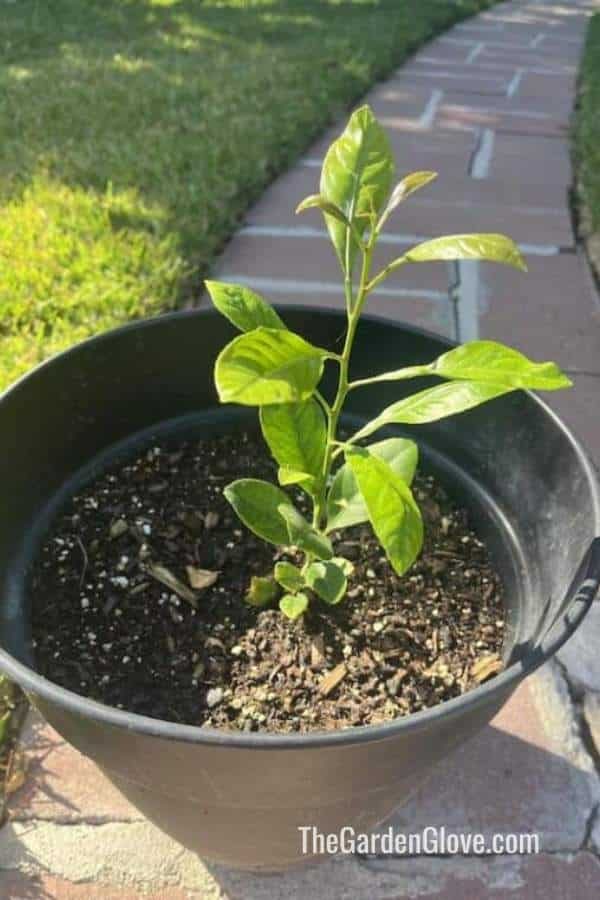
The 7 Decisions That Determine Your Lemon Tree's Fate
From picking the right seeds to deciding on a nursery tree, these seven choices cover pot, sun, transplant timing, pest control, and long-term care.
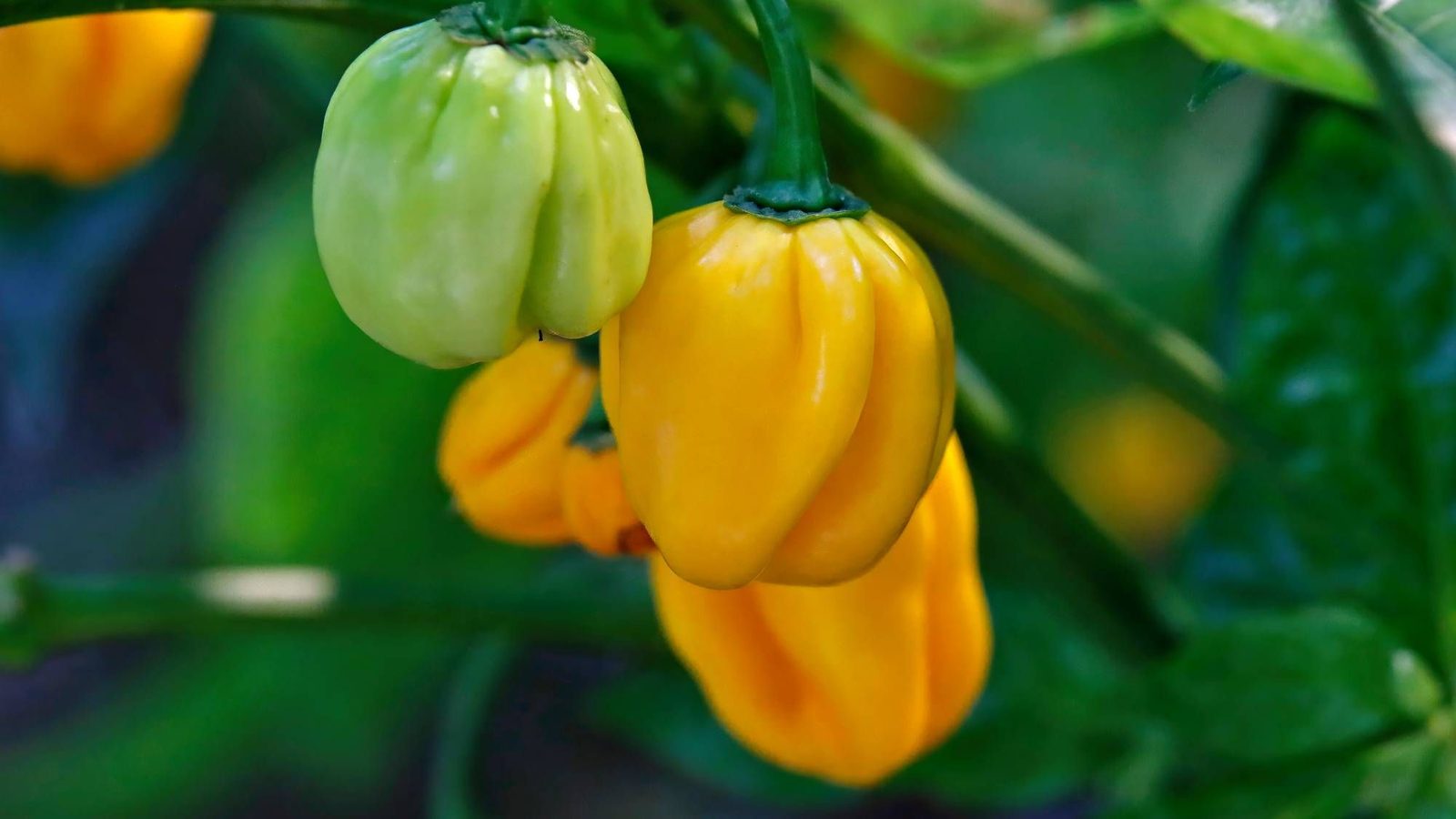
Bare Pepper Stems in August? Read the Order of the Damage
When pepper plants shed their leaves late in the season, the pattern of loss and the weather tell you which of four failures is at work — and what to do before the fruit scalds.

Garden Design Briefs: Trends, Tools, and Plant Picks for 2026
From eight shaping forces to mosquito-repelling plants, here are the garden and landscape developments worth noting this season.