The 7 Decisions That Determine Your Lemon Tree's Fate
From picking the right seeds to deciding on a nursery tree, these seven choices cover pot, sun, transplant timing, pest control, and long-term care.
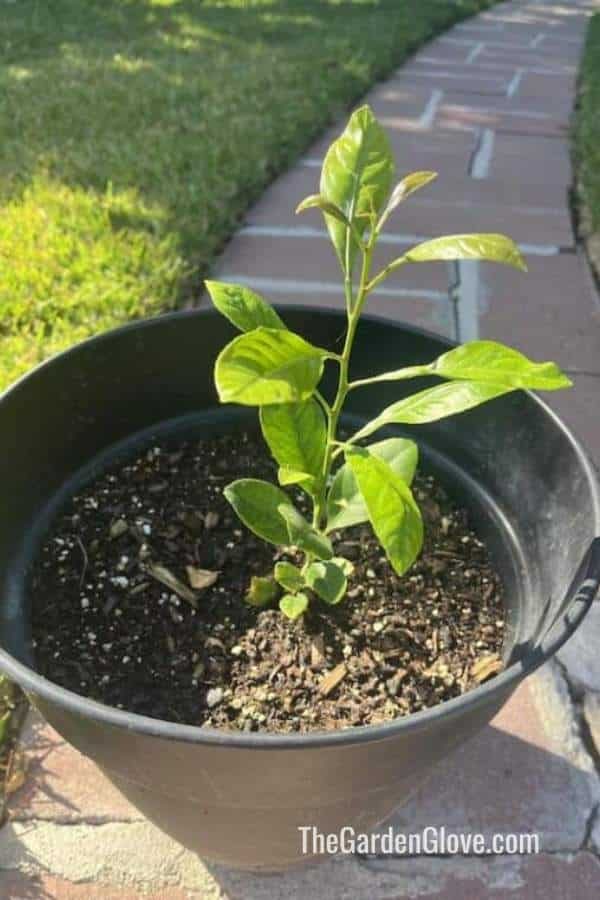
Choose Your Lemon Seeds Wisely
Start with seeds from a lemon you actually like. If a neighbor has a tree, that's the easiest source—just cut into one of their fruit and dig out the seeds. Otherwise, buy organic lemons from a local farmer's market, because a variety that already thrives in your area gives you a head start. But keep in mind that many store-bought lemons are hybrids, so the seed may not grow a tree with the same genetics as the parent fruit. If space is tight, choose a Meyer lemon: these trees stay relatively small and adapt well to container growing, following the same seed-starting steps as any other lemon. The seed you pick determines flavor, size, and how well the tree copes with your local conditions, so it's worth a little thought before you cut. You can also collect seeds from any organic lemon at a supermarket, but local fruit is more likely to be a variety suited to your climate.
- {'Warning': 'Hybrid seeds may no
Plant in a Large Pot With Drainage
Fill a 10-inch pot with drainage holes using a citrus or palm potting mix—I had some open and it worked perfectly. Plant about 10 seeds in that pot, because you'll likely only see one or two sprout. Make 1-inch holes in the soil, drop a single seed into each, and cover gently. The crucial part is keeping the top inch of soil consistently damp, not soggy, while the seeds are germinating. Place the planter in a sunny indoor spot so the soil surface warms up, which triggers germination. The generous seed count improves your odds of at least one success. A pot of this size gives the seedlings room to grow for a while before they need transplanting, so you won't have to rush.
- {'Quantity': '10 seeds in 10-inc
- {'Warning': 'Keep top inch damp
Ease Into Full Sun
When your seedling emerges, it needs warmth and light, but not a sudden blast of direct sun. Keep it by a bright window indoors for the first two weeks. Then move it outside gradually: start with 1 hour of direct sunlight a day, increasing slowly over time. Once adjusted, the tree thrives in 6-8 hours of sun daily—you can't give it too much. For the first couple of months, it stays in a warm, sunny spot to build tolerance. During this period, water less frequently than during germination. With well-draining citrus soil, a drink once or twice a week suffices, depending on warmth and how quickly the soil dries. This gradual transition prevents leaf scorch and builds the tree's tolerance for outdoor conditions. Remember, the goal is to get it to full sun without shock.
- {'Quantity': '1 hour start, then
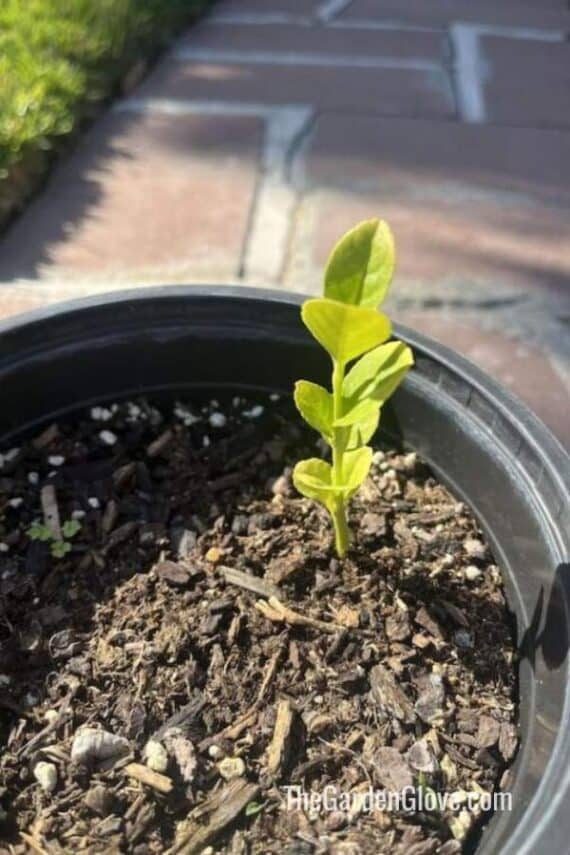
Transplant at the Right Moment
Because I planted 10 seeds in a 10-inch pot, I ended up with two sprouts. They started competing for space, so I transplanted them after about a month. If you get just one survivor, you can leave it in the original pot for six months or more until it outgrows the container. When you do move it, choose a larger pot and use citrus potting soil, which ensures proper drainage and nutrients. Lemon trees can live indoors or outdoors, and in warm climates you can eventually plant it directly in the ground—pick a sunny spot with well-draining soil. The key is not to rush if you have a single tree, but separate multiple ones promptly to give each room to grow.
- {'Time': '1 month if multiple, 6
Deal With Pests Early
The most destructive pest I encountered was the giant swallowtail caterpillar, which can strip a young tree of leaves if you don't spot it early. Depending on where you live, you might also face aphids, whiteflies, or fruit flies. For aphids, mix a solution of dish detergent in water—some gardeners add lemon juice or peppermint oil for extra effectiveness. Spray the tree every few days until they're gone. For whiteflies and mealybugs, use an insecticide formulated to control these pests specifically. Regularly check the undersides of leaves, where these insects often hide, and act at the first sign of trouble. A few hungry caterpillars can do surprising damage overnight, so vigilance is key. Catching an infestation early saves your tree from extensive leaf loss.
- {'Warning': 'Giant swallowtail c
- {'Remedy': 'Dish detergent with
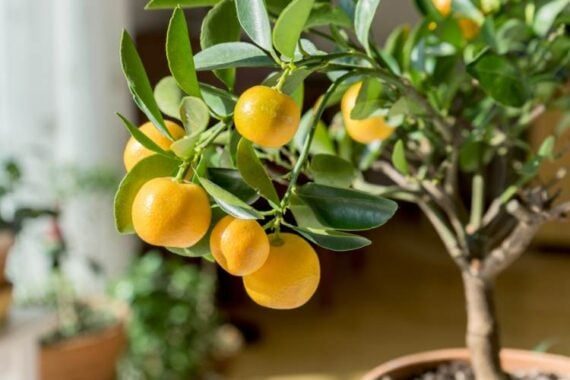
Long-Term Care: Fertilize and Mulch
Citrus trees are easy to care for once they're established. Give them plenty of sun and water deeply but occasionally—let the soil dry out between waterings. When flowers finally appear, switch to a citrus-specific fertilizer and apply mulch around the base to retain moisture and suppress weeds. From seed, be patient: it can take 7 to 10 years to fruit. That's a long commitment, but the ornamental payoff is real—shiny leaves and fragrant blossoms make it a beautiful patio plant. During the non-fruiting years, don't overdo fertilizer; a slow-release citrus feed in spring and summer is enough. Regular watering and occasional feeding will keep the tree healthy, and eventually you'll be rewarded with those yellow fruits. Even if you never get lemons, the tree itself is a lovely addition.
- {'Time': '7-10 years to fruit'}
Fast-Track With a Nursery Tree
If you can't stomach the 10-year wait, you don't have to start from seed. Nursery-grown lemon trees are available online and can produce fruit within a few years, with some varieties even fruiting the same year you buy them. That's the shortcut if you're after lemons for salad dressing or cocktails sooner. Even if you grow from seed, the tree itself is a beautiful container plant for a patio, and the blossoms smell incredible when they appear. Many online sellers ship young trees that are already a few years old, so you skip the hardest part. Before you buy, check that the variety suits your climate and that you have a sunny spot for it. A grafted tree from a nursery is the way to go if you want reliability.
- {'Time': 'A few years (or same y
Keep reading
Bare Pepper Stems in August? Read the Order of the Damage
When pepper plants shed their leaves late in the season, the pattern of loss and the weather tell you which of four failures is at work — and what to do before the fruit scalds.
Floss Flower Drops Months of Blue Into a Summer Bed — Here's How to Keep It Happy
Ageratum earns its spot as a bedding-plant staple: pompom blooms from late spring to frost, in a color most annuals can't touch.

Garden Design Briefs: Trends, Tools, and Plant Picks for 2026
From eight shaping forces to mosquito-repelling plants, here are the garden and landscape developments worth noting this season.