Bare Pepper Stems in August? Read the Order of the Damage
When pepper plants shed their leaves late in the season, the pattern of loss and the weather tell you which of four failures is at work — and what to do before the fruit scalds.
Heat: Flowers Fall First, Leaves Follow
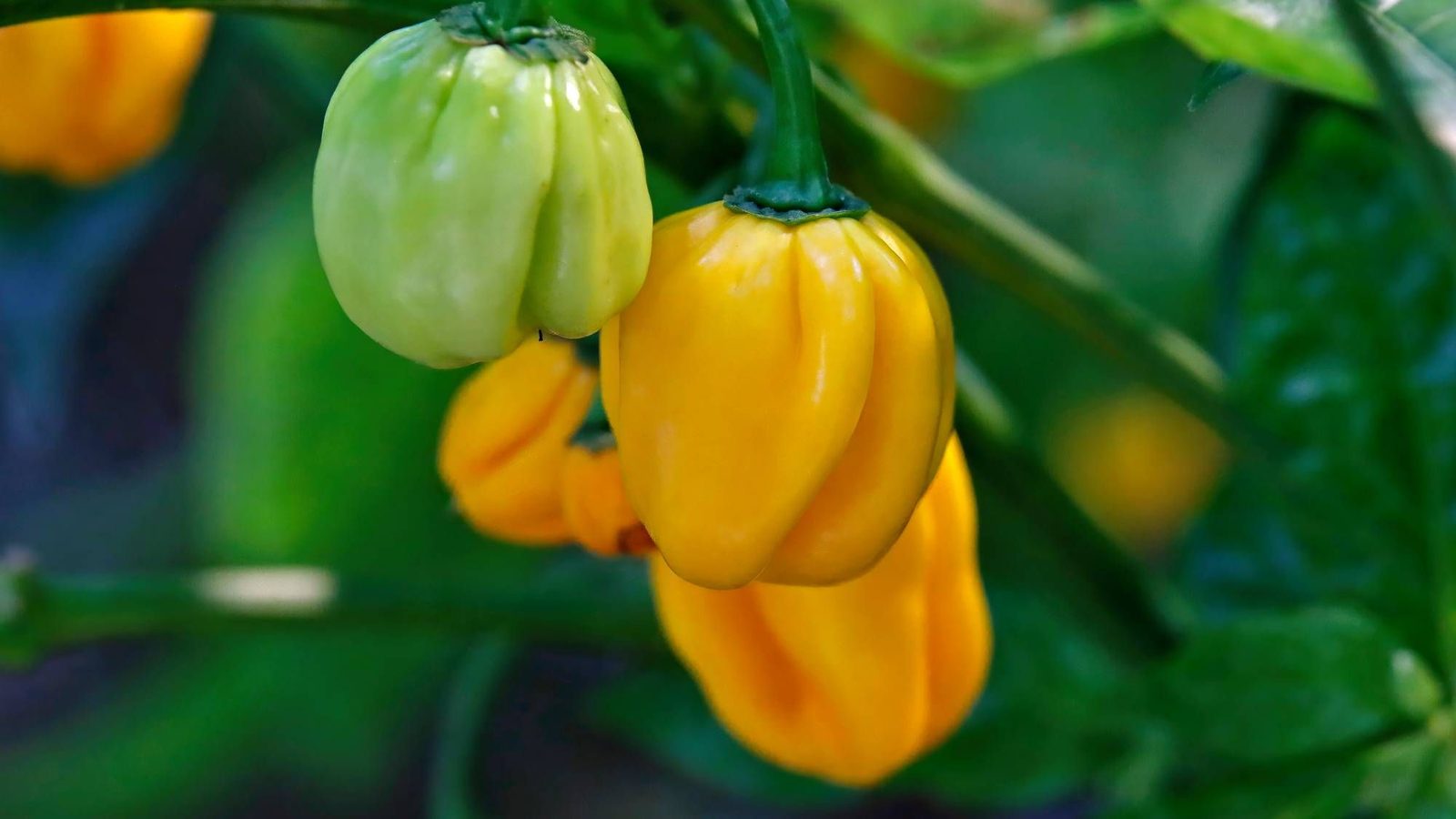
When days push past 90°F (32°C) or nights stay above 75°F (24°C), pepper plants stop cooperating. Pollen turns tacky at those temperatures, so pollination fails and blossoms drop before they ever set fruit. Leaf loss follows as the plant sheds what it can't keep hydrated through the afternoon. The tell is the order: flowers go first, foliage second — never the other way around. Wind during a hot spell makes it worse, stripping moisture faster than the roots can replace it. A simple remedy is a stretch of shade cloth from Home Depot, draped over hoops, which takes the edge off a heat spike without cutting enough light to matter. None of this is fatal. Plants that shed flowers through a hot spell start setting again once nights cool — typically early September across most of the country. Leave the plant alone in the meantime. The leaves still hanging on are shading fruit that would scald without them, and the plant will resume fruiting from existing wood once the temperature drops.
Water Swings: The Pot That Goes From Wet to Dry in an Afternoon
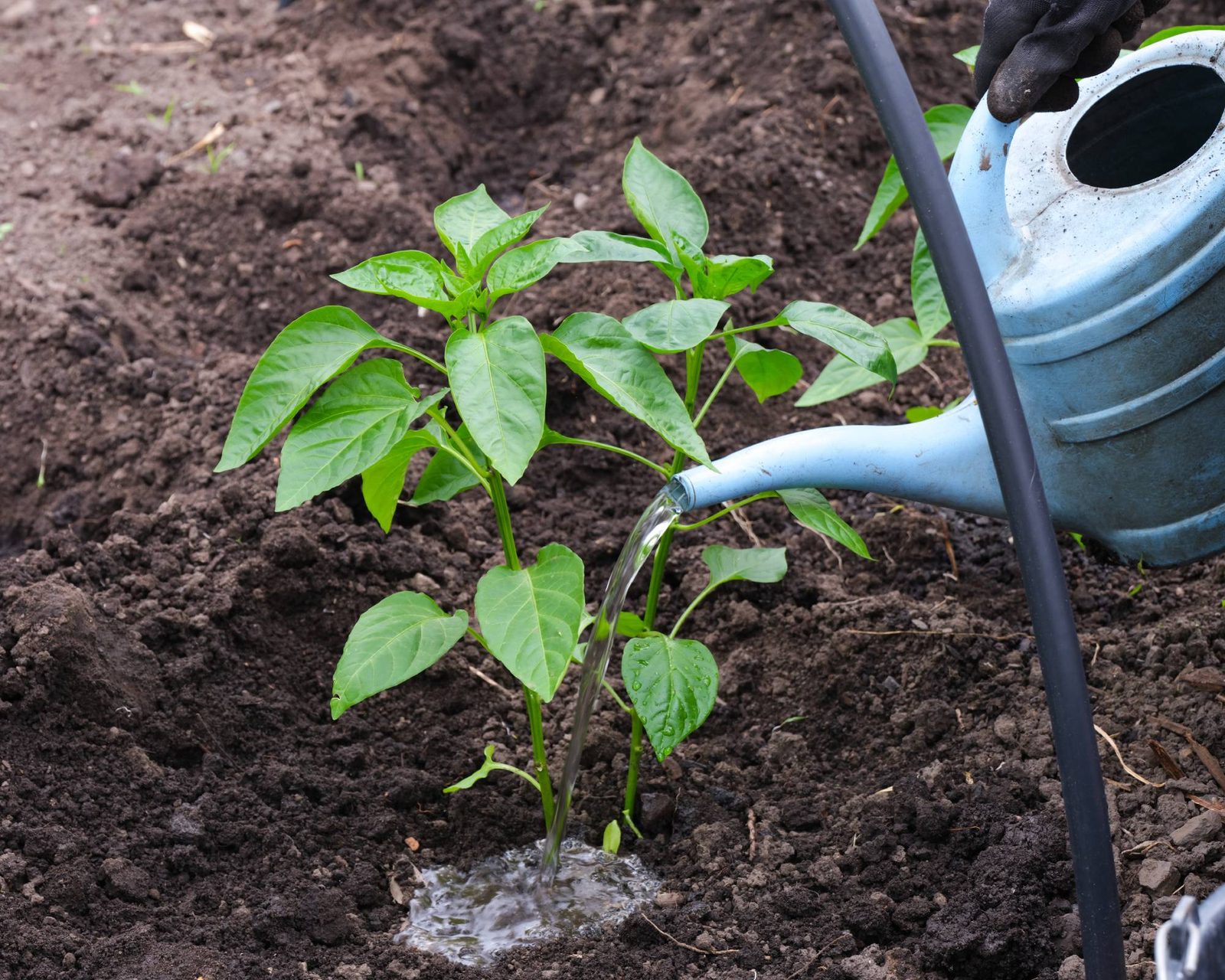
Erratic watering does more damage than watering lightly. When roots swing from saturated to bone dry and back, they lose fine feeder tips with every cycle. The plant balances that loss by dropping leaves — lowest first, while the top stays green. Container peppers get hit hardest. A pot can swing from wet to dry in a single hot afternoon, whereas peppers in open ground shrug off a missed day. To know which side you're on, use a soil moisture meter from Amazon pushed down near the root zone — rather than poking your finger in the surface. The fix is rhythm, not volume: water deeply on a schedule the plant can rely on, and mulch the top few inches so they don't swing between extremes daily. The confusing part is that overwatering yellows leaves exactly the way drought does, because roots in saturated soil can't pull oxygen either. Dig down and squeeze a handful of soil. If it holds its shape and glistens, it's too wet. If it won't clump at all, it's past dry.
Nutrient Hunger: The Yellow Gradient From the Ground Up
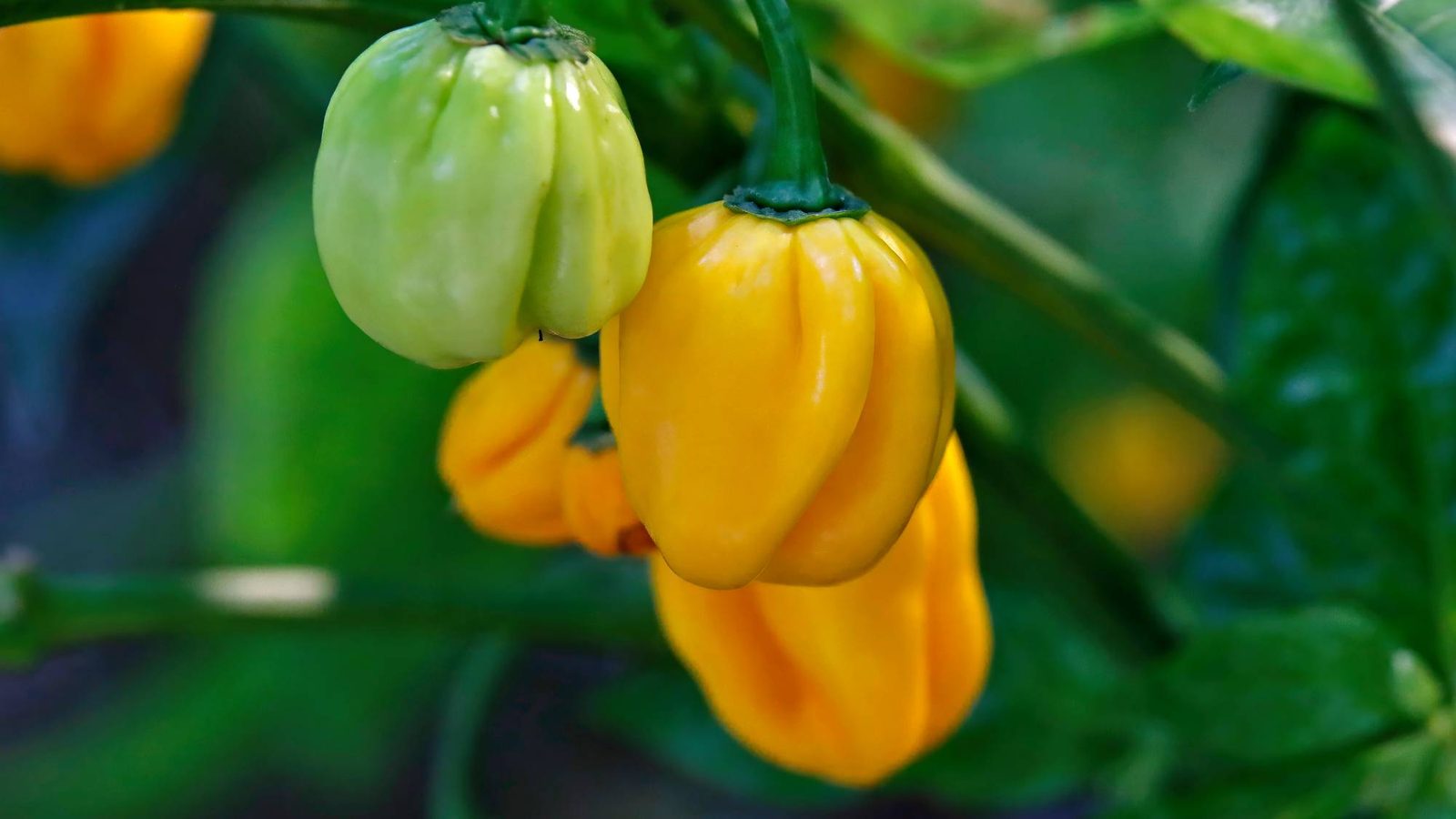
A heavy crop is a hungry crop. Peppers pull nitrogen out of older foliage and move it into ripening fruit, so the lowest leaves pale first, yellow, and then let go — while everything above them looks perfectly healthy. That gradient from the ground up is the signature. It tends to show right as the first fruit starts turning color. Nothing is diseased here; the plant is doing exactly what you asked of it, just at its own canopy's expense. Feeding lightly helps, but leave it at that. Too much nitrogen this late pushes soft growth that won't ripen before frost. Peppers draw heavily on potassium while fruit sizes up, which is the argument for leaning that way. A balanced or potassium-leaning fertilizer at half strength supports fruit already set without redirecting the plant back into leaf production. This is the one case where a feed now is genuinely useful, but keep the dose low and stick to a formulation with lower nitrogen and higher potassium, like a 2-3-4 on the label.
Disease Spots: Bacterial Angularity vs. Frogeye Roundness
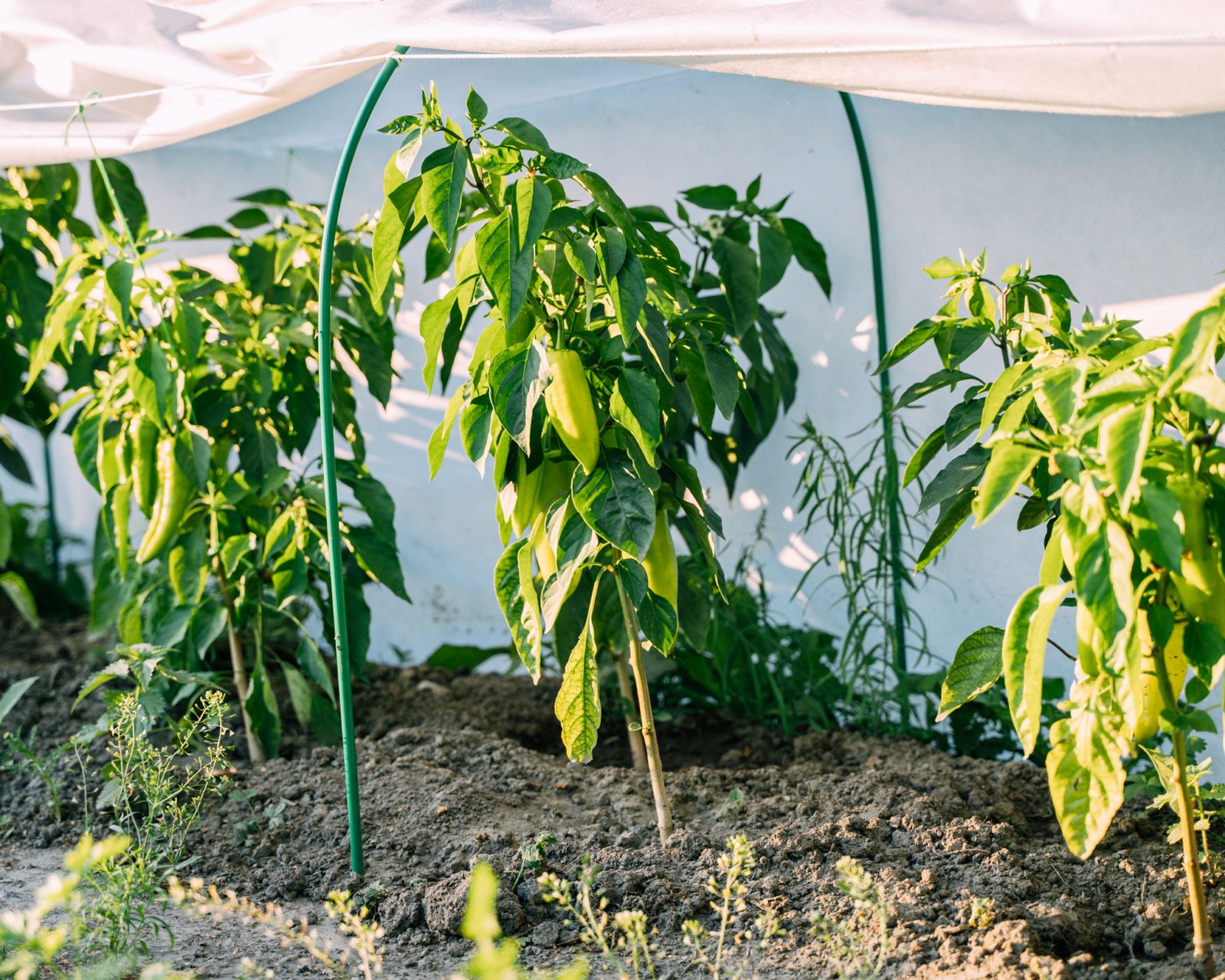
Two diseases spot pepper leaves in August, and the shape of the spot tells them apart. Bacterial spot begins as water-soaked flecks on the undersides of older leaves, darkening to brown or black inside a narrow yellow halo, with angular edges where a vein stops them. Cercospora, the fungal one, makes rounder lesions with pale tan centers and dark rims — gardeners call it frogeye, and the name explains itself once you've seen one. Either way, the centers dry and drop out, the leaves go shot through with holes, and defoliation runs from the bottom up until the fruit sits exposed. A copper fungicide from Amazon slows both, so you can spray first and diagnose later. Handling matters as much as spraying. Both diseases travel on splashing water and on hands moving through wet plants. Stay out of the row until the foliage dries, and water at soil level from here on. Neither has a cure once a plant is far gone. Pull the worst ones and keep the debris out of the compost. Clean seed and a resistant variety are the real answer next spring — choose varieties labeled for bacterial spot resistance when you order seed in January.
Keep reading
The 7 Decisions That Determine Your Lemon Tree's Fate
From picking the right seeds to deciding on a nursery tree, these seven choices cover pot, sun, transplant timing, pest control, and long-term care.
Floss Flower Drops Months of Blue Into a Summer Bed — Here's How to Keep It Happy
Ageratum earns its spot as a bedding-plant staple: pompom blooms from late spring to frost, in a color most annuals can't touch.

Garden Design Briefs: Trends, Tools, and Plant Picks for 2026
From eight shaping forces to mosquito-repelling plants, here are the garden and landscape developments worth noting this season.