When Do Hummingbirds Leave for the South — and Will a Feeder Hold Them Back?
Fall departure dates, solo routes, and the truth about leaving sugar water up past Labor Day.
Do hummingbirds migrate in flocks or alone?
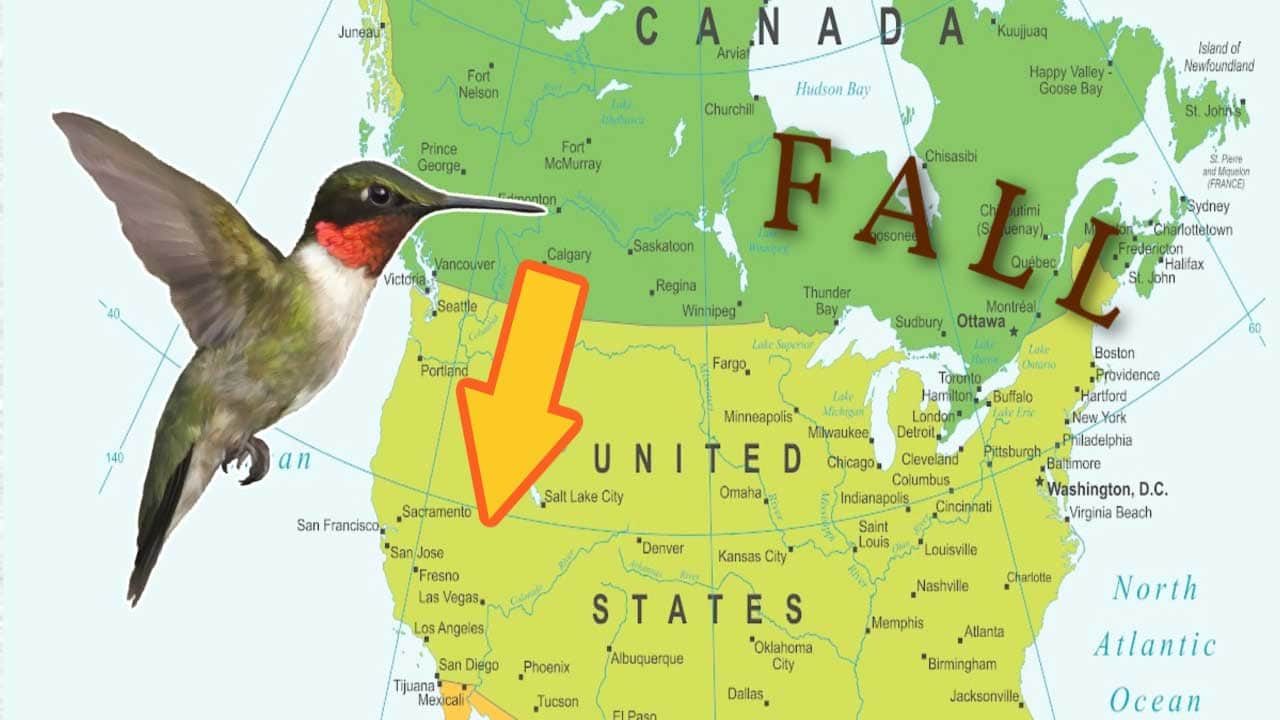
Hummingbirds migrate solo, never in flocks. Unlike songbirds that gather, each bird travels alone, though many depart around the same time because weather and food conditions align. Even a juvenile Ruby-throated hummingbird born in Ontario in July will fly unaccompanied to Mexico or Central America, a journey of a couple thousand miles, with no parent to guide it. Researchers admit they do not know how these first-year birds navigate a route they have never flown. The longest migrants, Rufous hummingbirds from Alaska, cover roughly 4,000 miles (6,000 km) entirely on their own. And despite old folklore, they do not hitch rides on geese. Because they travel alone, their leaving is easy to miss: one day the feeder is busy, and then, after days or weeks of absence, you realize they have moved on. A feeder with an automated camera can help you catch their last visits.
When exactly do hummingbirds start their fall migration?
No single calendar date marks the start; departure is driven by a combination of late-summer conditions: shorter daylight, the end of nesting season, and a decline in natural food—insects and spiders for protein, flower nectar for carbohydrates. In southwestern Ontario, Ruby-throated hummingbirds typically begin leaving around Labor Day in early September, with the last passersby in mid-October just before first frost. Across the United States, sightings continue until winter temperatures set in. Birds that have the farthest to go, such as the Rufous hummingbird starting from Alaska, begin earlier because they must locate food sources along a 6,000-kilometer route. Conversely, some hummingbirds in the western United States do not migrate at all, staying where flowers and insects persist year-round. Fall departures are quiet: you may not realize they have left until days or weeks of feeder emptiness. Because there is no flock to mark the exit, you must rely on noticing the absence.
Where do hummingbirds go for the winter?
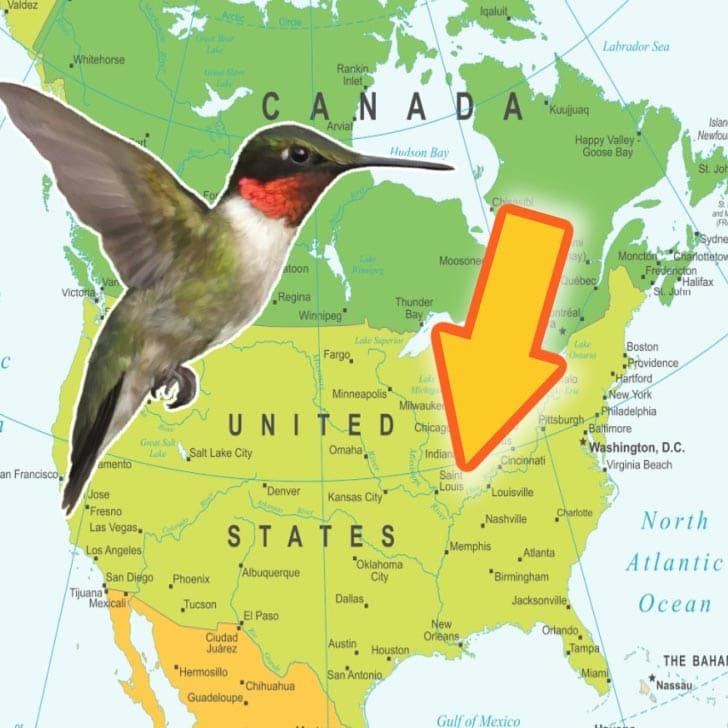
For hummingbirds that migrate, the winter destinations are Mexico and Central America, where flowers and insects remain abundant. Some individuals stop short and spend the season in Texas, Florida, or along the Gulf Coast. In contrast, non-migrating populations stay year-round in parts of the southern and western United States, where their food supply persists through winter. The Ruby-throated hummingbird, the common eastern species, faces the Gulf of Mexico as a major barrier; even the shortest crossing is about 600 miles with no place to rest. Researchers are not certain whether these birds fly directly over the Gulf or follow the coastline around it. Either way, the journey is a couple thousand miles for many of them. Once they arrive, they are rewarded with warmer temperatures and a steady supply of insects and nectar—until spring triggers the return trip.
Will leaving a feeder up in fall delay hummingbird migration?
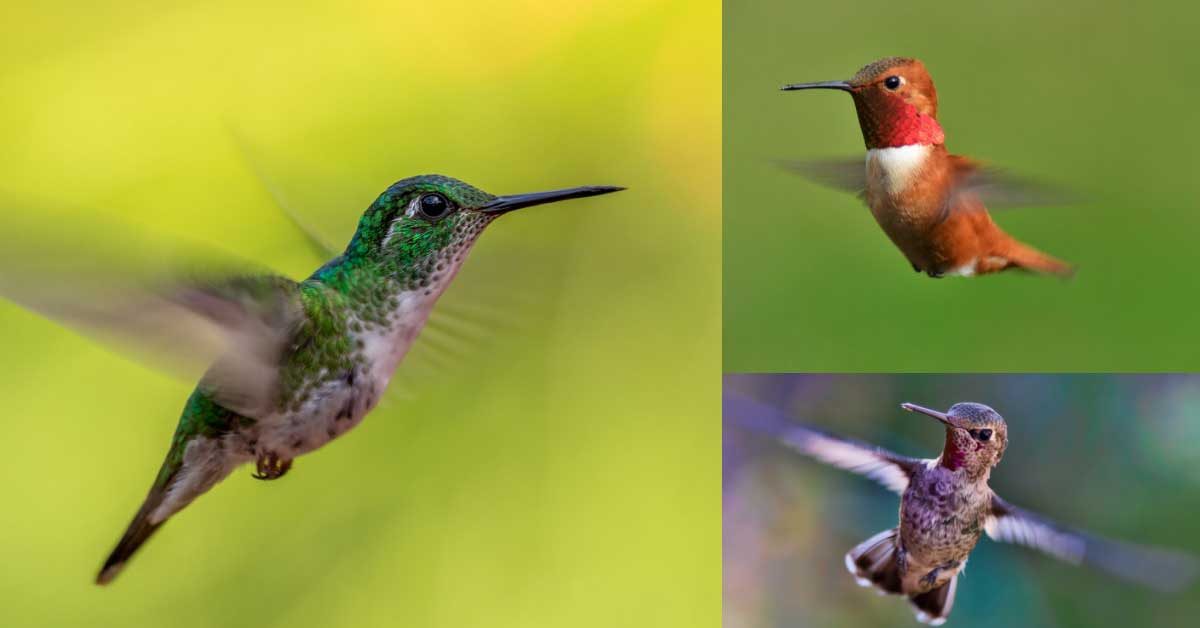
No, leaving your sugar-water feeder up in fall will not delay hummingbird migration. The old belief that feeders coax birds to linger until it is too late has been abandoned by researchers. Instead, the feeder acts as a fuel station for the journey south. As daylight shortens and natural nectar and insect supplies dwindle, hummingbirds instinctively prepare to leave on their own timeline, regardless of how much sugar water is available. In fact, a well-maintained feeder supplies the carbohydrates they need to build fat reserves, especially for young birds making their first long flight to Mexico or Central America. The main staple of a hummingbird's diet is protein-rich invertebrates, but nectar from flowers—and from your feeder—provides quick energy. To support them, keep the feeder clean and filled until you have gone several weeks without a sighting, then take it down for the season.
Why do fall sightings seem so much less noticeable than spring arrivals?
Spring migration is easy to track because new arrivals appear suddenly and are celebrated milestones; fall departure is a gradual realization that the feeder is empty. Hummingbirds do not announce their leave-taking, and because they travel solo and often take different routes south than they used north, there is no dramatic mass exodus. Researchers rely on citizen-reported fall and winter sighting maps rather than a tracking map because the southbound journey is unpredictable. A bird you saw on Monday may be gone by Wednesday, but you won't know until several days of absence have passed. The first spring sighting in late April or early May in Ontario is a welcome sign because it breaks the long absence. In contrast, the final fall sighting often goes unnoticed—you simply realize one day that the feeder has been quiet for a while. This asymmetry is why spring arrivals generate excitement while fall departures pass with little fanfare.
Do hummingbirds take the same route south as they did north in spring?
No—evidence from researcher observations indicates that fall migration routes can differ from spring routes. This is why there is a fall-winter sightings map instead of a fall tracking map: the journey south is less predictable. For Ruby-throated hummingbirds, the Gulf of Mexico presents a major obstacle; they may fly directly over it or follow the coastline around it, and the choice may vary with weather and the bird's condition. Even a long-distance migrant like the Rufous hummingbird, which travels roughly 4,000 miles from Alaska, does not necessarily retrace its spring path. Because these tiny birds are so difficult to track, especially in fall, most of what we know comes from sporadic citizen reports rather than continuous telemetry. Scientists have much to learn about how first-year birds, born just months earlier, find their way along a route they have never flown.
What do hummingbirds eat to prepare for the long flight south?
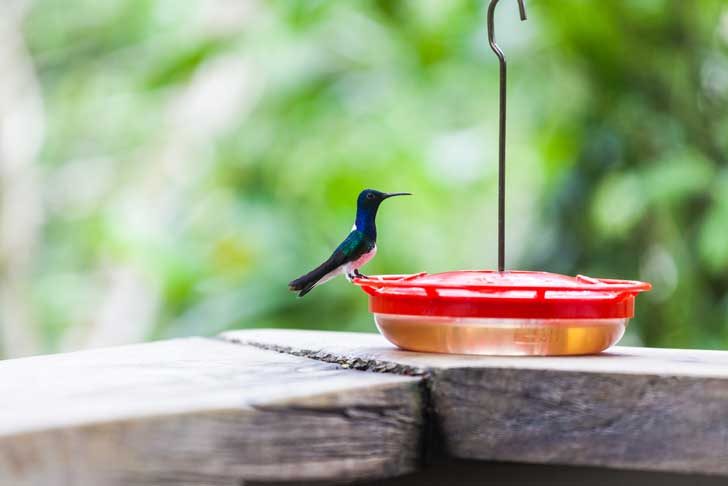
To prepare for fall migration, hummingbirds emphasize two food sources: protein-rich invertebrates and carbohydrate-heavy nectar. Their main staple is insects, spiders, and larvae, which support muscle and feather quality, while flower nectar provides the quick energy needed to pack on fat. In late summer, as daylight fades and natural nectar and insect populations decline, a sugar-water feeder becomes a vital supplement. A Ruby-throated hummingbird can store enough fuel—mostly from nectar—to cross the Gulf of Mexico, but only if weather conditions are favorable. Early fall storms can force them to linger, so they need extra reserves. Leaving your feeder up offers that safe energy boost, especially for young birds that have never made the trip and must navigate entirely on instinct. The feeder's sugar water is not a substitute for a natural diet but a reliable source of carbohydrates during a critical window.
Keep reading

6 Auto-Insurance Moves That Lower Your Premium, Not Your Protection
Understanding full coverage, using repair costs to set deductibles, cleaning your record, stacking discounts, weighing service over price, and blending digital quotes with human advice—these six tactics cut costs without cutting coverage.

7 DeWalt 20V MAX Tools Ace Hardware Is Bundling With a Free $169 Battery Kit
For a limited time, Ace Hardware throws in a 20V MAX XR Battery and Charger Starter Kit at no extra cost when you buy any of these bare tools from DeWalt's ATOMIC or XR lines.
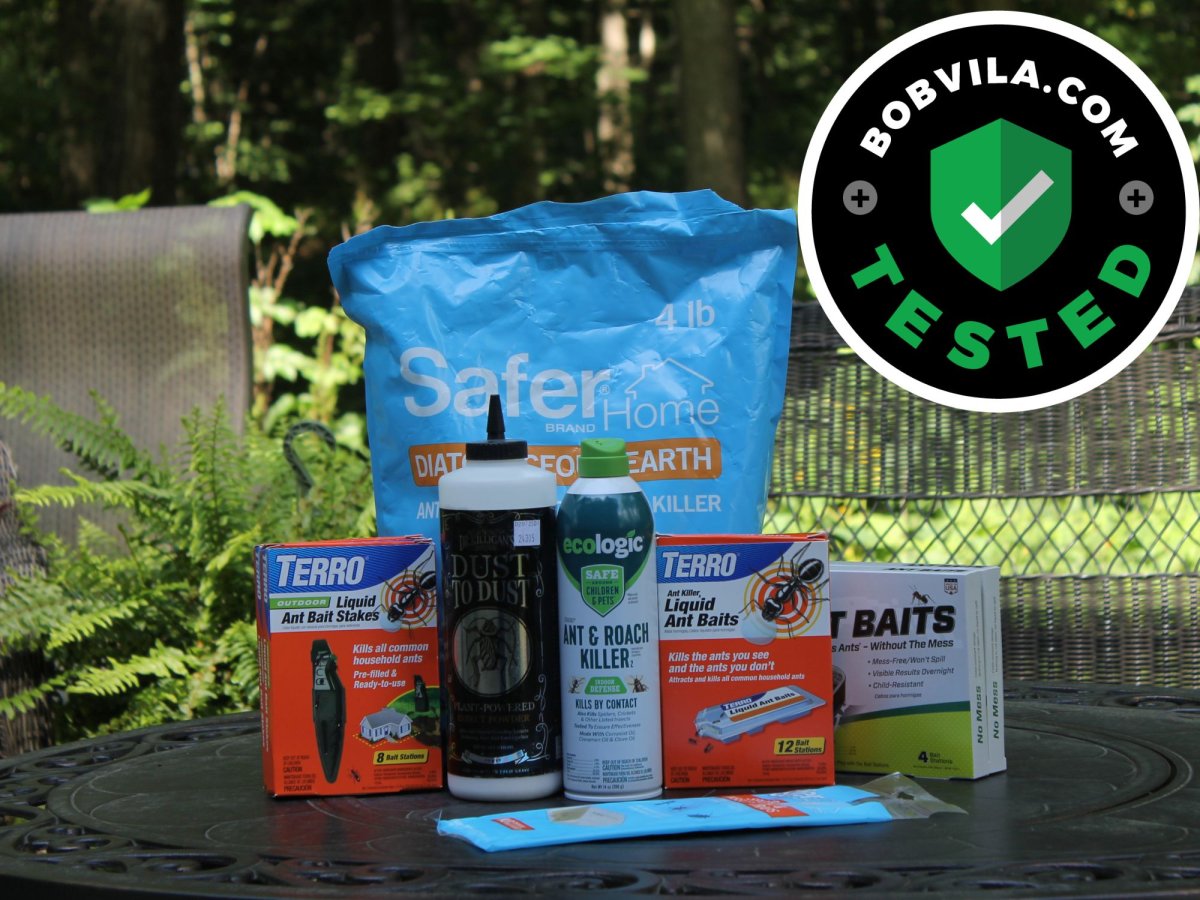
7 Store-Bought Ant Killers, Tested for Six Weeks: The Weakness in Each
Six weeks of in-home testing rated seven ant killers on ease, effectiveness, and value, revealing the specific failure point of every product.