The Thread Trick That Makes Sewing Corners Effortless
One sewer's clever method for turning out a sharp, pointy corner every time—no broken fabric, no lumpy folds.
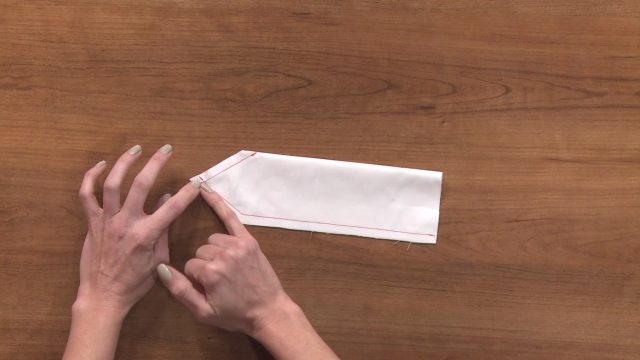
Trim the Bulk, Not the Seam
Before any turning happens, Ohnmacht says the first job is getting rid of excess fabric. Right next to the stitched point, the seam allowance stacks up into a thick wad that will never lie flat once turned. She cuts that triangle of extra fabric close to the stitching line, snipping diagonally across the corner on both sides. The closer you trim, the less bulk you'll fight later—but you have to stop short of the stitches themselves, or the seam will unravel and the corner will blow out. For a typical lightweight woven fabric, that means leaving a sliver of about 1/8 inch beyond the needle holes. On heavier materials like twill or denim, you can trim even closer, down to a thread's width. The goal is a seam allowance that fans out from the point like a narrow wedge, not a thick square.
The Needle and the Bubble
Ohnmacht's method hinges on a maneuver she calls the hardest part: getting the needle between the two fabric layers. She pushes the needle through the very tip first, pulls the thread through, then pinches the fabric to make what she describes as a "little bubble" at the point. That bubble opens a gap between the layers, letting the needle slip into the center of the seam tube without catching either side. She emphasizes this is the most difficult step. Once the needle is inside, you turn the piece—by hand or with a pencil—and then yank the thread. After the point emerges, you use your fingernail to press out any remaining bulk, then iron the seamed edges flat. This cleaning-up step is separate from the pop; it ensures the corner lies completely flat.
From Points to Boxes
After the point is popped, a quick ironing session sets the shape permanently. Ohnmacht suggests pressing the rest of the seam open and flat, using a hot iron with steam if the fabric allows. The threaded loop can be clipped off right at the tip, leaving no trace. This same approach carries over to a more advanced skill: sewing box corners, which are the squared-off bases common on handbags, tote bags, and pillow inserts. The principle is the same—trim excess, turn, and use a tool to push out the geometry. With box corners, you'll often stitch across the corner at a marked angle before turning, then push the seam out with a chopstick. Master the thread trick on a point, and you'll have the confidence to tackle any cornered shape, from sharp darts to roomy pouches.

Keep reading
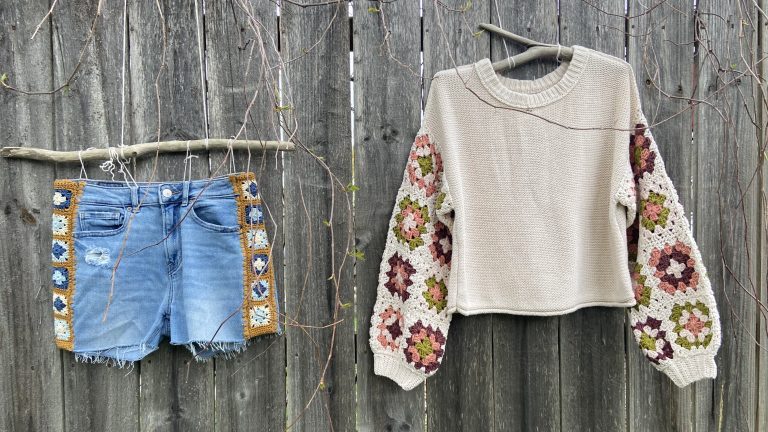
6 Crochet Upcycling Lessons from Brenda K.B. Anderson
Brenda K.B. Anderson's six-lesson course shows how to salvage yarn, resize denim with granny squares, and open seams — plus how to teach these techniques to others.

9 Fall Crafts From Dollar Tree for Under $2
From paper sack turkeys to glow-in-the-dark pumpkins, these nine projects use Dollar Tree supplies—including coloring table covers, wooden signs, stickers, and felt harvest crafts—to keep kids busy without breaking the bank.
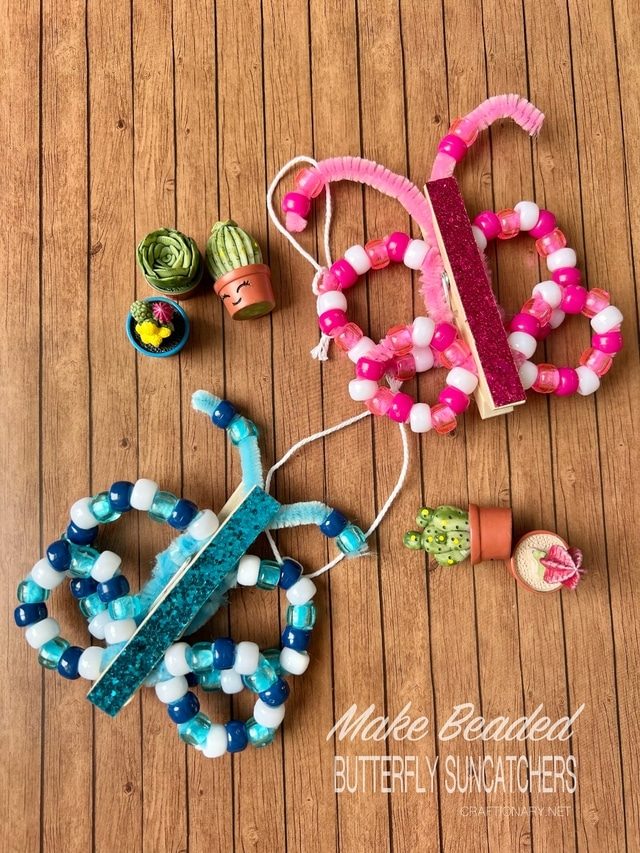
Pipe Cleaners, Pony Beads, and a Clothespin: A Suncatcher That Repays Attention with Calm
Build the wing structure, assemble the body and finishing touches, then explore variations—each step turns simple supplies into a window ornament with a meditative pull.