Pipe Cleaners, Pony Beads, and a Clothespin: A Suncatcher That Repays Attention with Calm
Build the wing structure, assemble the body and finishing touches, then explore variations—each step turns simple supplies into a window ornament with a meditative pull.
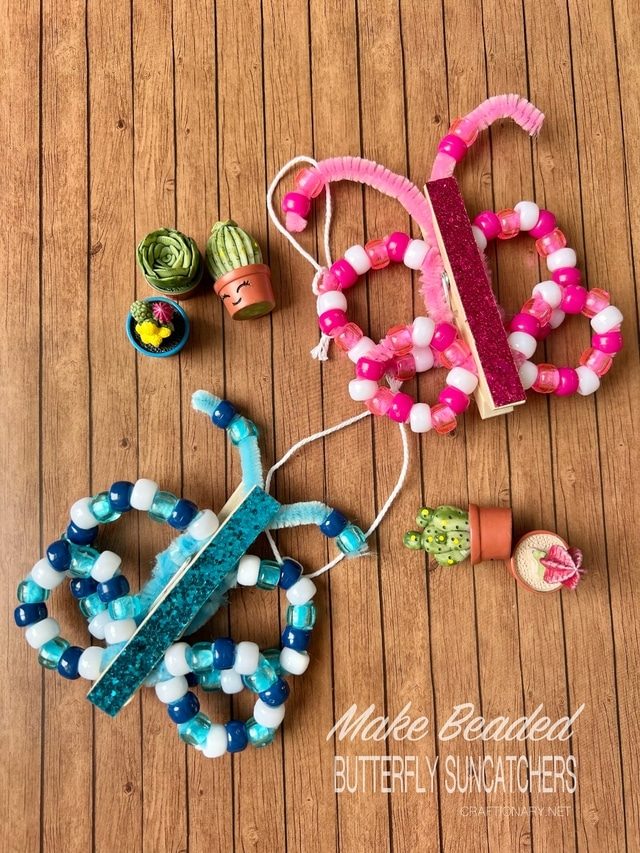
Building the Wing Structure
With four beaded lengths ready, the upper wings come first. Take a fresh stem and cut it in half to form the antennae. Place the antennae stem in the center of two beaded lengths, then twist one beaded length around the top and bottom of the antennae to create a right wing loop, and repeat with the other for the left wing. Twist the antennae parts together at the top and bottom to secure the unit; this creates a loop at the center that will slide onto the clothespin's top clip. For the lower wings, take the remaining two beaded lengths and twist each into a loop, then join them together tightly at the center. The join must leave no gap, because this unit will be wedged into the clothespin's spring hole. The lower wings sit at a different angle from the upper pair, which gives the butterfly its life-like spread when viewed from above.
Clothespin Assembly and Finishing Touches
Assembly is a matter of tension: slide the upper wing-and-antennae loop onto the top clip part of the clothespin, then press the lower wing unit into the metal spring gap or the bottom side of the clip. The clothespin holds both units without glue, so the butterfly can later be clipped onto a bag, a curtain, or a snack pouch. Bend the antennae into curls and thread a few extra beads onto them for balance. Sharp pipe cleaner ends should be tucked back into the last bead on each wing; this prevents scratches when a child waves the butterfly around. To upgrade the body, use a glitter-covered clothespin or stick a strip of glitter washi tape onto the wood. Keep every wing at 12 beads to maintain symmetry; a lopsided wing is not a failure but a character trait, and the goal is the process, not a perfect product.
Beyond the Window: Variations and Uses
Pony beads are the recommended starting point because small hands can grip them easily, but substituting Perler (fuse) beads yields a more delicate, intricate wing texture. The clothespin itself becomes a functional clip, so these butterflies work as curtain clips, Christmas tree ornaments, or gift toppers that attach directly to ribbon or fabric. To hang one in a window, thread a piece of string through a bead on the upper wing loop; this preserves the butterfly's shape while creating a sturdy hanger. Because the wings are translucent, the suncatcher effect is strongest when the butterfly hangs in direct light—a south-facing window will scatter color across an entire room by mid-morning. The same build can be repeated with different color schemes for each season: warm reds and oranges for autumn, cool blues and greens for summer. Each version takes less than an hour to produce, and the clothespin base means you can rotate the decorations without redoing the structure.
Keep reading
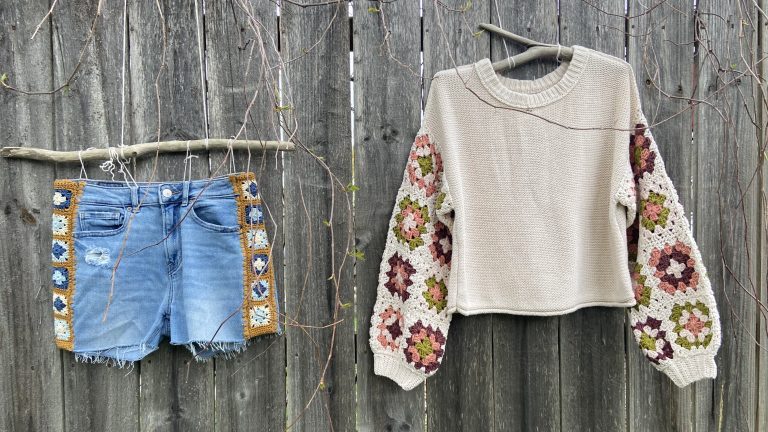
6 Crochet Upcycling Lessons from Brenda K.B. Anderson
Brenda K.B. Anderson's six-lesson course shows how to salvage yarn, resize denim with granny squares, and open seams — plus how to teach these techniques to others.

9 Fall Crafts From Dollar Tree for Under $2
From paper sack turkeys to glow-in-the-dark pumpkins, these nine projects use Dollar Tree supplies—including coloring table covers, wooden signs, stickers, and felt harvest crafts—to keep kids busy without breaking the bank.
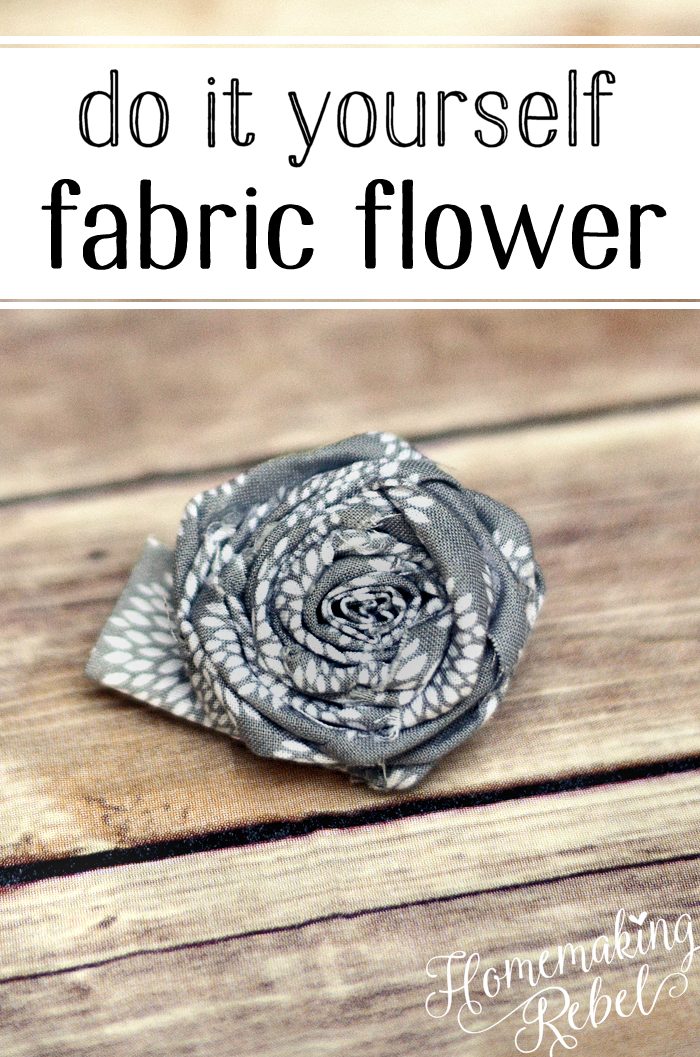
Roll, Twist, Glue: Making Fabric Flowers from a Single 1-Inch Strip
A 3-foot strip of fabric, a hot glue gun, and 20 minutes produce a layered flower that stays put on wreaths, hairpins, and dress bodices.