6 Crochet Upcycling Lessons from Brenda K.B. Anderson
Brenda K.B. Anderson's six-lesson course shows how to salvage yarn, resize denim with granny squares, and open seams — plus how to teach these techniques to others.
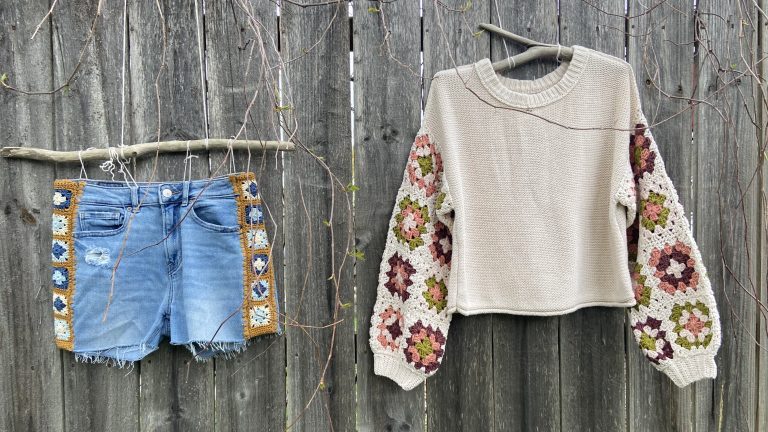
Resize Jean Shorts with Granny Square Side Inserts
Brenda K. B. Anderson shows how to widen a pair of jean shorts by opening the side seam and crocheting in a strip of granny squares. In the class session that runs 46:15, she covers materials selection, preparing the jeans, and creating the granny squares. Anderson notes that the key is to open the existing side seam rather than cutting the denim—that preserves the original hem and stitching. She then inserts a crocheted panel that expands the circumference, turning a too-tight pair into a custom fit. The technique also works for skirts or trousers with side seams. The project requires no sewing: the crochet panel is attached by crocheting directly into the denim edge and hand-sewing with a yarn needle. Anderson stresses that the side seam opening must be measured carefully to match the granny square strip width, which you determine from a test square.
- Project: Jean shorts
- Duration: 46:15
- Technique: Side seam insert
Open a Chain-Stitched Seam in Seconds
Harvesting yarn from a thrifted sweater starts with breaking down the seams, and Anderson shares a time-saving trick specifically for chain-stitched seams. In Session 2 (29:16), Anderson demonstrates how to locate the chain stitch that runs along the seam and pull a single thread to unravel the entire seam without cutting each stitch individually. This avoids the tedious process of snipping every loop, which can damage the yarn and slow the whole project. The trick works on sweaters whose pieces are joined with a chain stitch, a common construction method in machine-knitted garments. Anderson also warns against sweaters where seams are serged or cut, because those release short strands that cannot be raveled into continuous yarn. Learning to spot a chain-stitched seam before buying is the first step to a successful yarn harvest.
- Technique: Chain-stitch seam
- Duration: 29:16
- Session: 2
Ravel Sleeves into New Granny Square Sleeves
One of the standout projects in the course is replacing a sweater's existing sleeves with crocheted granny square sleeves made from the sweater's own yarn. In Session 4 (1:00:28), Anderson removes the original sleeves, unravels them into skeins, and then crochets new sleeves using that same yarn. The granny square pattern gives the sleeves a structured, textured look that contrasts with a knit body. She shows how to control the sleeve fit by adjusting the number of squares and the width of the panel. The reattached sleeves are crocheted back onto the sweater body, eliminating the need for sewing. This method not only refreshes a tired sweater but also lets you alter sleeve length or width to match your preference. It's a technique that turns a single garment into a custom piece, and the class provides a downloadable granny square direction guide.
- Project: Granny sleeve
- Duration: 1:00:28
- Technique: Ravel and recrochet
Crochet Ribbing for Cuffs and Perfect Easing
In Session 5 (32:22), Anderson teaches how to crochet fresh ribbing for the cuffs of a sweater, starting from the removed or existing sleeve ends. The ribbing is worked in rows of single crochet in the back loops only, creating a stretchy fabric that matches the look of knitted ribbing. The trick is easing the sleeve into the cuff: you work the ribbing to a slightly smaller circumference than the sleeve opening, then distribute the excess sleeve stitches evenly when attaching them to the ribbing. Anderson shows a method that avoids bunching and makes the cuff lie flat. This skill transfers to adding new ribbing to the bottom of a sweater or any edge that needs a snug finish. The result is a professional-looking cuff that improves the fit and extends the life of the garment.
- Duration: 32:22
- Technique: Crochet ribbing
- Skill: Easing
Class Projects and Techniques
The class centers on two up-cycling projects. The first transforms a thrifted knit sweater: remove the sleeves, ravel them to harvest the yarn, and crochet granny-square sleeves that incorporate that yarn, then reattach these new sleeves to the sweater body. The second project widens a pair of jean shorts: open the side seam, crochet strips of granny squares, and insert them into the opening to increase the size. Both projects require crocheting into existing fabric—either knitted or sewn—and using granny squares to change fit and proportion. Along the way, you learn how to take apart garments to harvest yarn, how to identify seams that unravel cleanly, and how to crochet into denim. The techniques allow you to alter the look and fit of clothes without re-knitting or sewing. You also gain skills for modifying sleeves, side panels, and other parts of garments.
- Course length: 291 min
- Sessions: 8
- Bonus: 3 PDFs
Instructor and Class Design
Brenda K. B. Anderson leads this class, which she designed specifically for crocheters. No previous sewing experience or sewing machine is required to complete the projects. Brenda's instruction emphasizes using crochet to up-cycle thrifted clothing into new, fashion-forward wearables. She teaches viewers to see un-loved garments as creative possibilities, whether it's raveling a sweater for yarn or inserting granny squares into jeans to adjust the fit. The class covers practical skills like taking garments apart and crocheting into sewn fabrics. Through her demonstrations, Brenda shows how to repurpose existing clothing to match your personal style. By the end, you will have the confidence to transform thrift store finds into unique pieces you love to wear. The course is structured to make the process approachable, so you can focus on the creative potential of everyday clothes.
- Instructor: Brenda K.B. Anderson
- Location: Saint Paul, MN
- Books: Beastly Crochet, Crochet
Keep reading

9 Fall Crafts From Dollar Tree for Under $2
From paper sack turkeys to glow-in-the-dark pumpkins, these nine projects use Dollar Tree supplies—including coloring table covers, wooden signs, stickers, and felt harvest crafts—to keep kids busy without breaking the bank.
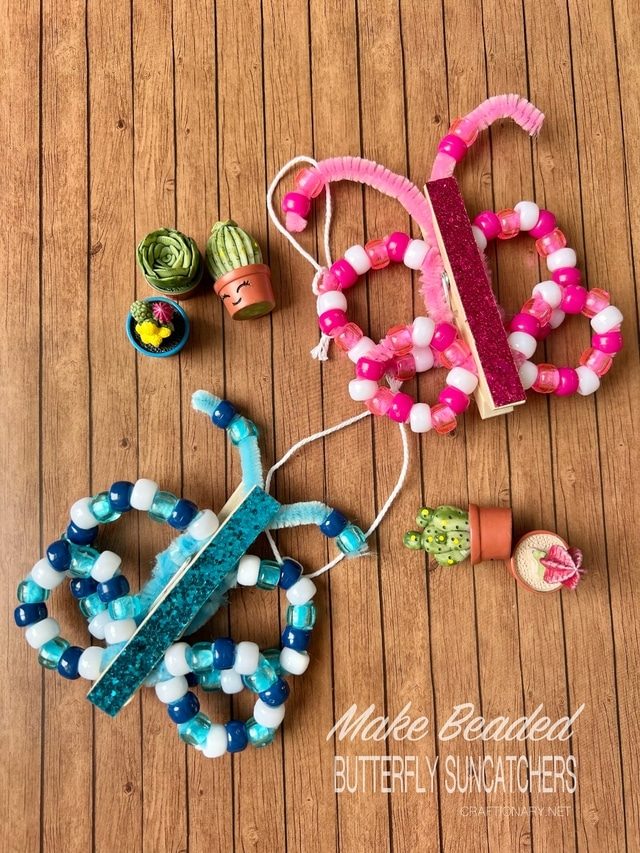
Pipe Cleaners, Pony Beads, and a Clothespin: A Suncatcher That Repays Attention with Calm
Build the wing structure, assemble the body and finishing touches, then explore variations—each step turns simple supplies into a window ornament with a meditative pull.
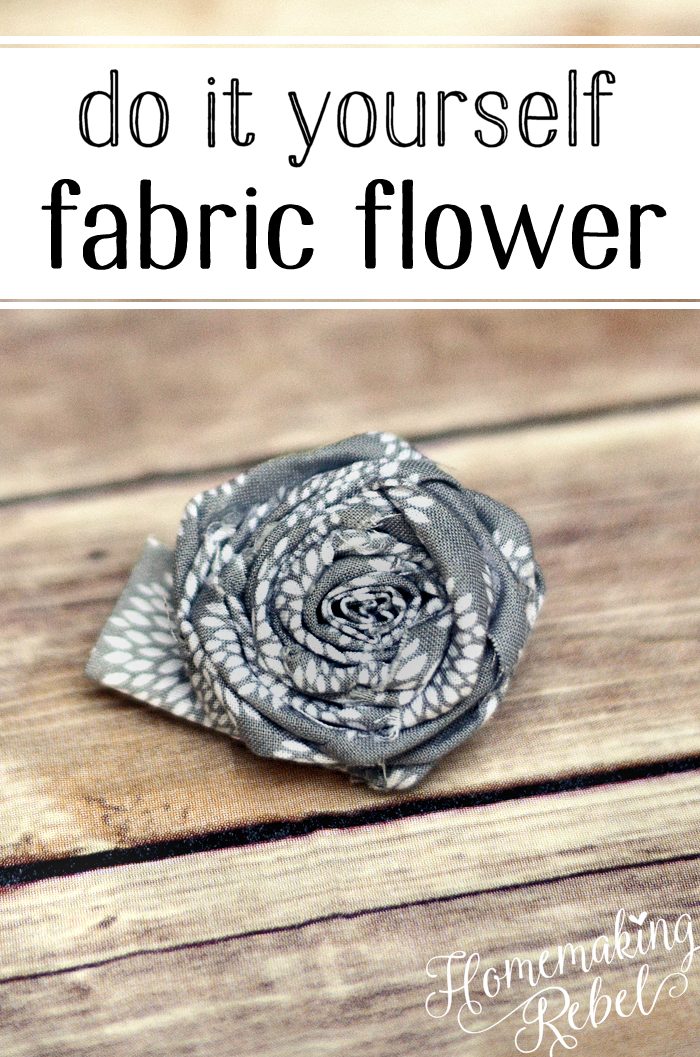
Roll, Twist, Glue: Making Fabric Flowers from a Single 1-Inch Strip
A 3-foot strip of fabric, a hot glue gun, and 20 minutes produce a layered flower that stays put on wreaths, hairpins, and dress bodices.