Snow, Salt or Sun: How to Build a Deck That Survives Your Weather
Freeze-thaw splitting, rot from trapped moisture, UV breakdown and salt corrosion each attack decks differently — matching materials to your local climate is the first decision that matters.
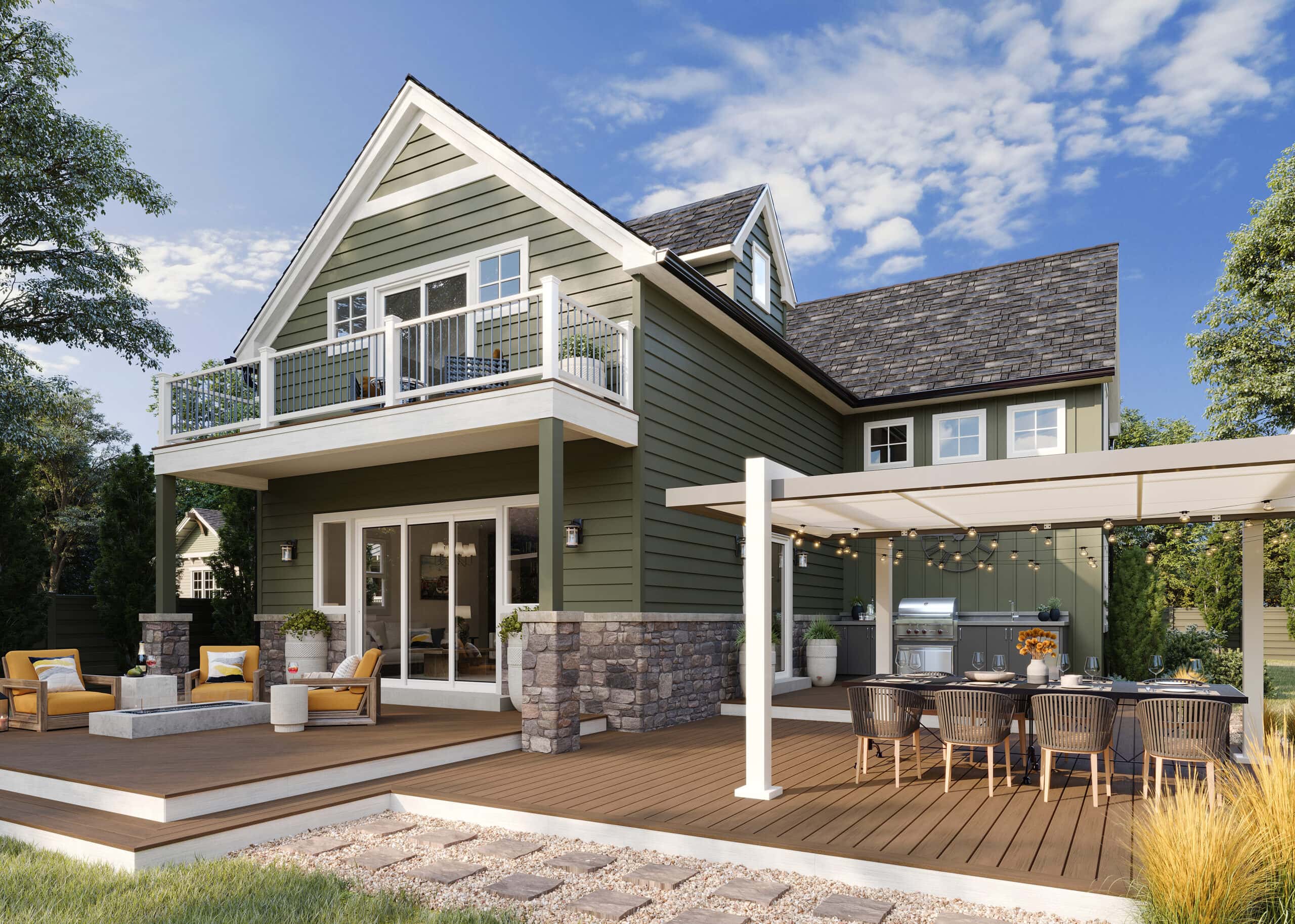
The Freeze-Thaw Cycle Works on Every Deck
A deck that looks tight in September can be splitting by March. The mechanism is mechanical: water seeps into cracks in the wood, and when temperatures drop below freezing, that moisture freezes and expands. Thaw, refreeze, and the cycle repeats, each pass widening the crack a little further. Repeated freeze-thaw cycles cause boards to split, fasteners to loosen, and framing to deteriorate. Wood's cellular structure is the weakness — it absorbs and holds moisture, giving the ice something to work on season after season. The failure isn't cosmetic. A loosened fastener changes how load distributes to the joists below, and a split board collects water instead of shedding it. The damage compounds silently through the winter, only becoming visible when the snow melts and the deck gets its first close inspection of the year.
Cold Climates Call for Boards That Don't Drink
Composite and PVC decking outperform wood in snow country because they resist moisture far better. That resistance reduces the expansion and contraction that drives freeze-thaw damage, and it means the boards are less likely to crack, warp or splinter after years of harsh winters. For raised decks in cold regions, the substructure needs equal attention. An under-deck drainage system can capture water before it reaches the framing and divert it away, protecting the joists and beams while turning the space beneath the deck into a dry, usable area.
Wet Climates Fail First at the Framing
Moisture has a hidden target: the substructure. Water that becomes trapped beneath the deck can shorten the life of the framing, and lingering dampness corrodes metal hardware. To stop that, start with a drainage system that captures and diverts water away from the joists and beams. Flashing tape around screws and fasteners seals out moisture at the most vulnerable points. Then give the space a chance to breathe: adequate airflow beneath the deck and keeping landscaping trimmed back help surfaces dry quickly.
Hot Climates Attack the Surface and the Finish
Years of intense sunlight break down wood finishes, not just fade their color. The constant UV bombardment strips the protective sealants, which means staining and sealing on a near-annual schedule just to keep the deck from looking weathered. High temperatures also push decking materials to expand and contract, and dark surfaces can become uncomfortable — sometimes painfully hot — underfoot in direct sun. Some composite decking lines now incorporate heat-mitigating technology that keeps surface temperatures lower in direct sunlight, and they eliminate the routine sanding, staining and sealing that wood demands. In wildfire-prone areas, decking materials that meet Wildland-Urban Interface (WUI) performance standards are designed to help resist ignition and flame spread. Lighter deck colors reflect more sunlight than dark tones, and shade structures — a pergola, shade sail or covered seating area — reduce both surface temperature and UV exposure during the hottest part of the day.
Coastal and Storm Zones Test the Connections
Salt air and moisture accelerate corrosion on metal hardware, while high winds put repeated stress on railings, ledger connections and fasteners. A deck in a coastal zone doesn't fail the way one in a cold zone does — it fails at the joints. The ledger board, where the deck attaches to the house, is the most critical connection on the entire structure. A watertight barrier at that junction helps prevent moisture from reaching this load-bearing point. The rest of the structure needs the same discipline: proper flashing, secure ledger connections, corrosion-resistant hardware and quality fasteners.
A Five-Condition Cheat Sheet for Material Selection
The decision framework for deck materials runs five conditions wide, and most regions fall into more than one. Snow and freezing temperatures call for composite or PVC decking, under-deck drainage and moisture management. Heavy rain and humidity require composite decking, proper drainage, joist protection and ventilation. Intense sun and heat demand heat-mitigating decking, lighter colors and shade structures. Coastal weather pushes toward moisture-resistant materials, corrosion-resistant hardware and flashing. High winds and storms favor strong framing, secure ledger connections and routine inspections of the structural joints. The common thread is that no single material wins everywhere — the deck that lasts decades in Minneapolis is built differently from the one that thrives in Miami or Phoenix. Homeowners who match their material choices to their local conditions get a deck that requires less maintenance and holds up longer than one chosen purely on appearance.
Keep reading
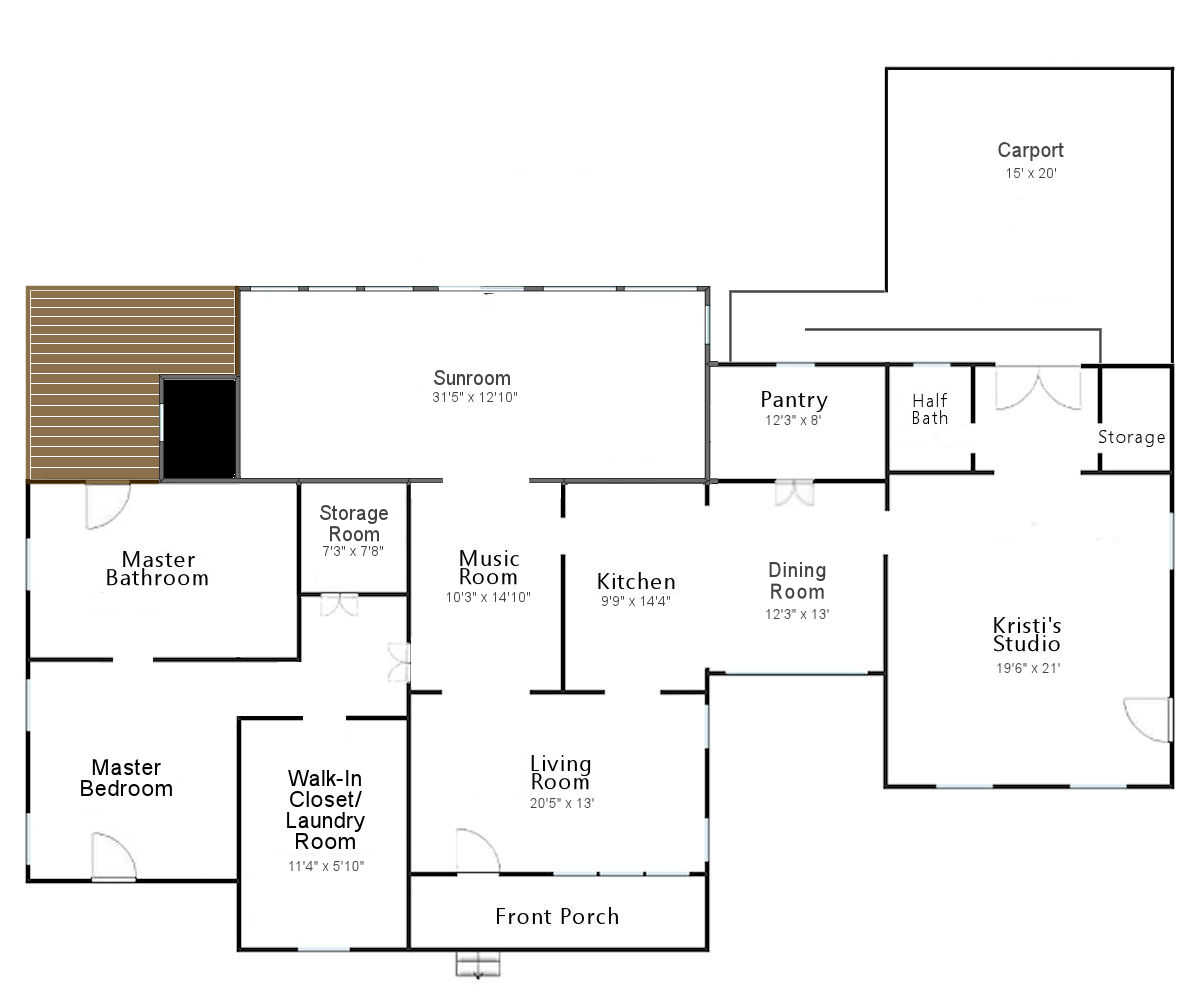
A Private Deck Off the Master Bathroom: Turning an Oddity Into an Asset
That exterior door in your bathroom might be the gateway to the most intimate outdoor space your house can offer.

6 Auto-Insurance Moves That Lower Your Premium, Not Your Protection
Understanding full coverage, using repair costs to set deductibles, cleaning your record, stacking discounts, weighing service over price, and blending digital quotes with human advice—these six tactics cut costs without cutting coverage.
7 DeWalt 20V MAX Tools Ace Hardware Is Bundling With a Free $169 Battery Kit
For a limited time, Ace Hardware throws in a 20V MAX XR Battery and Charger Starter Kit at no extra cost when you buy any of these bare tools from DeWalt's ATOMIC or XR lines.