The Potting Cart That Doubles as a Bar Cart: How One Brooklyn Gardener Solved His Soil-Spill Problem
A galvanized steel cart with reversible trays lets urban gardeners pot plants without dirtying the patio, then flip the surface flat for entertaining.
The Pea Gravel Problem
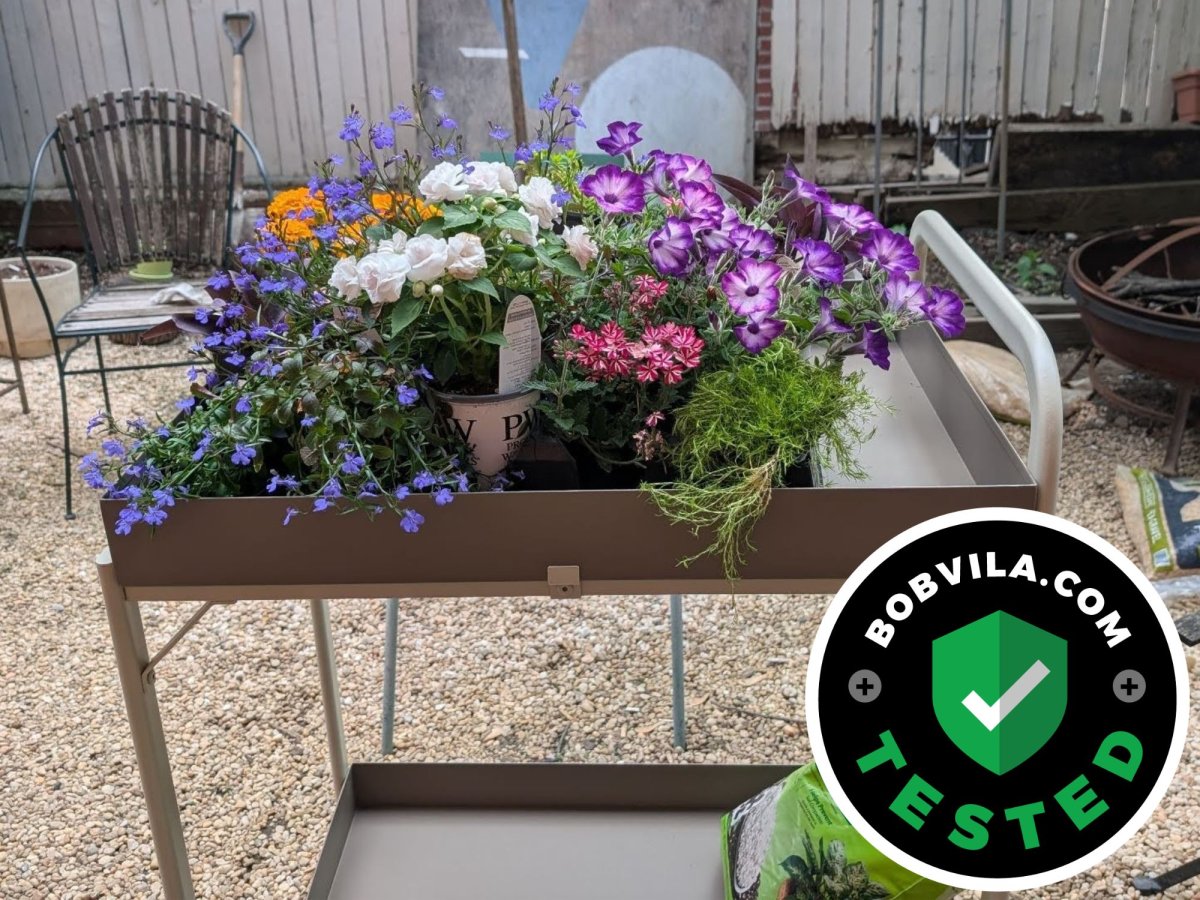
Urban gardeners with light-colored ground cover face a particular frustration: every spilled speck of soil shows. One Brooklyn-based gardener spent years wrestling with this exact issue, working around raised beds surrounded by clean pea gravel. Up-potting rootbound plants on improvised tables meant dirt scattered across the pristine stone, creating a visible mess that demanded constant cleanup. The search for a self-contained, mobile workspace that could handle dirty garden chores without permanently claiming patio real estate led to testing the Vego Garden Potting Cart, a galvanized steel unit measuring 36 inches tall by 30 inches wide by 22 inches deep. The cart's caster wheels roll over uneven ground, allowing it to be wheeled out for heavy potting sessions and stowed in a corner when guests arrive.
Galvanized Steel That Outlasts Wood
The Vego cart's frame uses galvanized steel finished with a premium outdoor powder coating, a combination that resists rust through seasons of rain, humidity, and temperature swings. Unlike wooden potting benches that warp, crack, or rot within a few years of exposure, this metal construction maintains structural integrity under load—each tray supports up to 265 pounds, enough for heavy ceramic pots and bags of compost without wobbling or bowing. The powder coating comes in a neutral, earthy palette that blends into patio and garden settings rather than standing out as industrial equipment. Assembly requires only one person and basic tools, a practical detail for apartment dwellers who may not have a second set of hands or a full workshop available.
Reversible Trays: Basin Today, Tabletop Tomorrow
The cart's defining feature is its pair of reversible table surfaces. In the standard potting configuration, the top shelf forms a 3.15-inch-deep basin that contains loose dirt entirely—no spills over the edges, no soil escaping onto the ground below. Flipping the trays over takes only a few seconds and transforms the cart into a flat tabletop suitable for displaying potted plants, serving drinks, or holding plates during outdoor gatherings. This dual-purpose design eliminates the need for a separate potting station and an entertaining cart, a meaningful space savings for patios and balconies where square footage is scarce. The modular build also integrates with Vego Garden's larger potting bench ecosystem, though the cart operates as a standalone unit without requiring additional purchases.
The Drainage Catch
The solid, seamless tray construction that keeps dirt contained creates a vulnerability when rain enters the picture. Because each tray is a single piece of metal with no drainage holes, sudden downpours cause water to pool rapidly in the basin configuration. One tester left trays in their deep position during a storm and returned the next day to find tools half-buried in a thick slurry of muddy soil and standing water. The mitigation is straightforward: flip trays to their flat configuration before rain arrives, roll the cart under a roof or overhang, or bring it into a shed or basement during extended wet periods. For gardeners in climates with frequent unpredictable storms, this requires a habit change—checking the forecast before leaving the cart uncovered. The lack of drainage is a deliberate design trade-off that maximizes dirt containment but demands awareness of weather conditions.
Storage Capacity and Stability Under Load
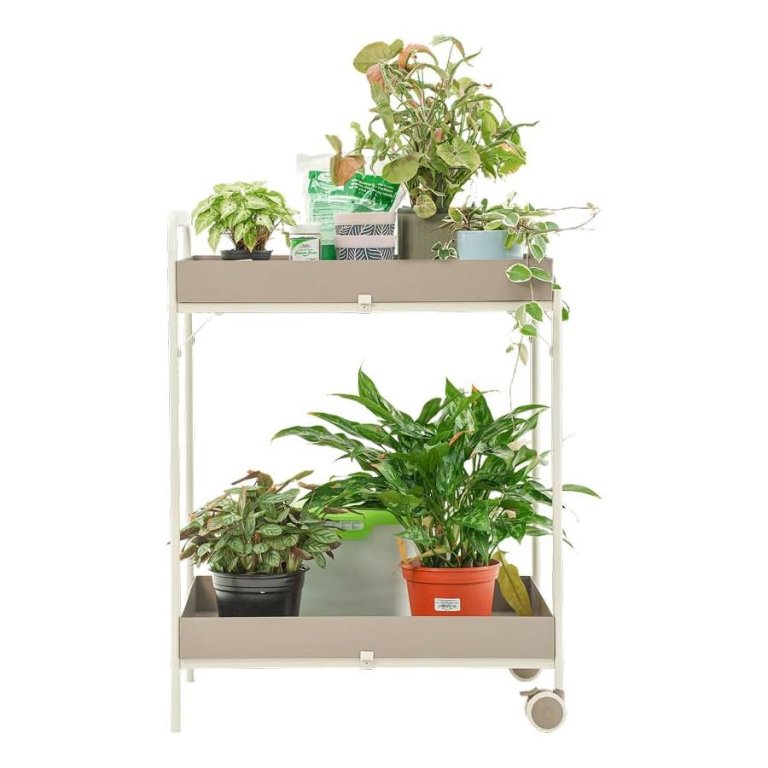
Beyond the working surface, the cart's lower shelf accommodates bags of soil, pots, trowels, and other implements that would otherwise clutter a patio floor or require a separate storage bin. The 265-pound-per-tray weight rating means gardeners can load it with heavy ceramic containers, multiple bags of compost, and a full complement of tools without approaching the structural limit. During testing, the cart remained stable and level even when loaded unevenly, a common scenario when one side holds a stack of pots and the other holds a single heavy bag. The caster wheels lock in place to prevent rolling during use, then unlock for repositioning—a small mechanism that eliminates the frustration of a cart that slides while you're trying to work with both hands full of soil and root balls.
When the Cart Becomes the Party
The flip-to-tabletop capability extends the cart's usefulness well beyond gardening season. During summer gatherings, it serves as a tiered display for potted herbs and flowers, a buffet surface for appetizers, or a mobile bar cart that rolls from the kitchen to the patio and back. The neutral metal finish avoids the look of repurposed garden equipment, allowing it to pass as intentional outdoor furniture. This versatility means the cart occupies patio space year-round without feeling like wasted real estate during months when potting duties are minimal. For apartment dwellers and small-space gardeners who cannot justify a dedicated potting station that sits idle for half the year, the dual-use design makes the investment work across seasons rather than collecting dust in a corner.
Keep reading
The 7 Decisions That Determine Your Lemon Tree's Fate
From picking the right seeds to deciding on a nursery tree, these seven choices cover pot, sun, transplant timing, pest control, and long-term care.
Bare Pepper Stems in August? Read the Order of the Damage
When pepper plants shed their leaves late in the season, the pattern of loss and the weather tell you which of four failures is at work — and what to do before the fruit scalds.

Floss Flower Drops Months of Blue Into a Summer Bed — Here's How to Keep It Happy
Ageratum earns its spot as a bedding-plant staple: pompom blooms from late spring to frost, in a color most annuals can't touch.