Why Your Glazing Putty Cracked at 10 Years While Hers Lasted 17
The difference between windows that need reglazing in a decade and those that hold for three comes down to one annual habit most homeowners never hear about.

The Chemistry Working Against Every Window
Glazing putty is an oil-based compound that cures through oxidation — a process that never truly stops. As the oils slowly volatilize over years, the putty contracts, becomes brittle, and eventually pulls away from both the glass pane and the wooden rabbet it sits in. That degradation curve is fixed by chemistry, but its speed is not. Under a protected porch overhang in coastal Savannah, with mild temperatures and a light paint color, a well-installed bed of putty can hold its seal for 30 years. On a south-facing wall in Florida under direct sun and rain splash-back from a concrete patio below, the same product can reach terminal cracking in ten. The honest lifespan range sits between 15 and 30 years, with outliers on both ends. What determines where a given window falls in that range is rarely the installation day itself. The putty's fate is written in the years that follow.
Heat, Color, and the South-Facing Problem
Exposure and paint color work together to accelerate or slow the oxidation clock. A window on a south or west elevation receives more direct solar radiation, more hours of UV exposure, and more thermal cycling than one facing north or sheltered by an overhang. Layer a dark paint color on top of that exposure — charcoal, deep navy, hunter green, black — and the surface temperature on a summer afternoon climbs well above ambient air temperature. That repeated expansion and contraction across seasons stresses the putty film at a molecular level. In warm climates, a black-painted south-facing window faces a fundamentally different maintenance reality than a white-painted north-facing one. Rain splash-back from hard surfaces below the window adds another accelerant: water wicks into the wood rabbet, keeps the substrate damp, and undermines the bond between putty and wood from below. These factors don't make failure inevitable — they compress the timeline and demand a tighter maintenance schedule.
What Happens Before the Putty Goes In
The installation steps that matter most are the ones that protect the putty from the substrate itself. Raw, unprimed wood is absorbent; it will pull oil directly out of the putty before the compound has a chance to cure, weakening the bond from day one. Priming the rabbet — the recessed channel where the glass sits — creates a barrier that keeps the wood from starving the putty of its curing oils. Once the putty is bedded and shaped, it needs paint within the first week, not after a convenient Saturday arrives a month later. The surface must be free of dust, pollen, and debris before that first coat goes on; any contamination at the putty-glass junction compromises paint adhesion exactly where the seal does its most critical work. These are one-time steps, and they're foundational. But they account for a smaller share of the putty's eventual lifespan than most people assume.
The 20-Minute Habit That Adds a Decade
The hairline of paint that seals the edge where glazing compound meets glass is the single most consequential line on the entire window. That thin film is the barrier between the putty and the UV radiation and oxygen that drive its degradation. When the paint line lifts, cracks, or pulls away from the glass — which can happen within the first year in harsh climates — air reaches the putty surface and oxidation accelerates sharply. The repair is not a full repaint. Once annually, walk every window and inspect the putty-glass junction. Wherever the paint has separated, touch it up with a brush. The entire exercise takes roughly 20 minutes per house per year. A window owner who followed this routine on a set of glazed sashes reported back after 17 years: the putty was still intact, with only a few hairline fissures that each took five minutes to fill with fresh compound and a dab of paint. Her windows used the same putty, the same primer, and the same paint system as windows on another house that failed at ten. The only variable was the annual inspection.
Spot Repair vs. Full Reglaze: Where the Line Is
Not every crack demands stripping the window down to bare wood. Small fissures in putty that still adheres firmly to both glass and rabbet are surface-level failures — they respond to a simple patch. Press a small amount of compatible glazing putty into the crack, smooth it flush with a putty knife, let it skin over, and touch up the paint. Each repair takes about five minutes. The threshold for a full reglaze is bond failure: putty that has visibly separated from the glass or the wood, or any sign of moisture damage in the rabbet beneath. Skimming fresh putty over a surface that has lost its adhesion to the substrate will not hold — the new compound will crack and separate again within a season. The distinction matters because it determines whether a homeowner spends an afternoon on maintenance or a weekend on replacement. The goal is to catch problems in the first category before they migrate into the second.
Keep reading

6 Auto-Insurance Moves That Lower Your Premium, Not Your Protection
Understanding full coverage, using repair costs to set deductibles, cleaning your record, stacking discounts, weighing service over price, and blending digital quotes with human advice—these six tactics cut costs without cutting coverage.

7 DeWalt 20V MAX Tools Ace Hardware Is Bundling With a Free $169 Battery Kit
For a limited time, Ace Hardware throws in a 20V MAX XR Battery and Charger Starter Kit at no extra cost when you buy any of these bare tools from DeWalt's ATOMIC or XR lines.
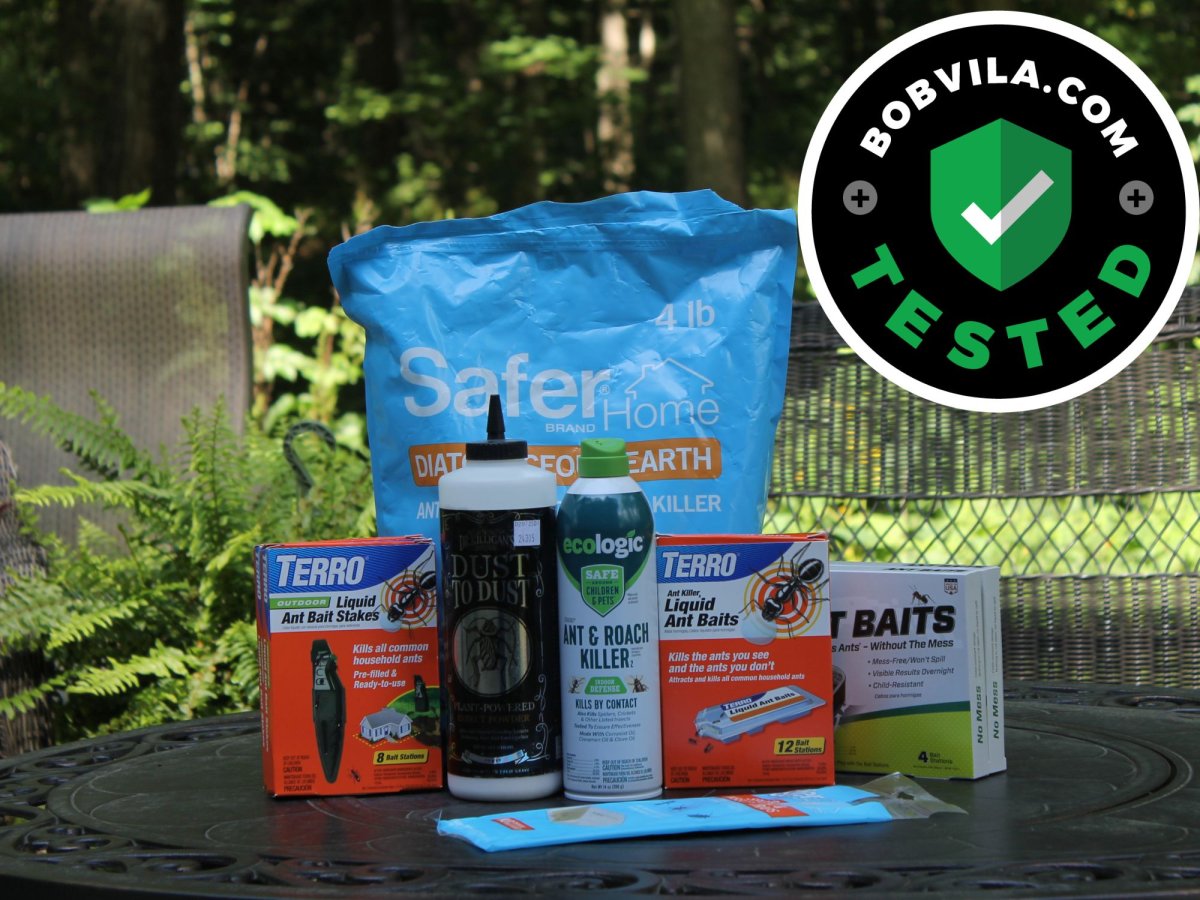
7 Store-Bought Ant Killers, Tested for Six Weeks: The Weakness in Each
Six weeks of in-home testing rated seven ant killers on ease, effectiveness, and value, revealing the specific failure point of every product.