Cherry Tomatoes Belong in a Pickle Jar: The No-Canning Snack You'll Make All Summer
A jar, a saucepan, and five minutes of hands-on work produce a crunchy, tangy snack that outshines every canned pickle in the store.
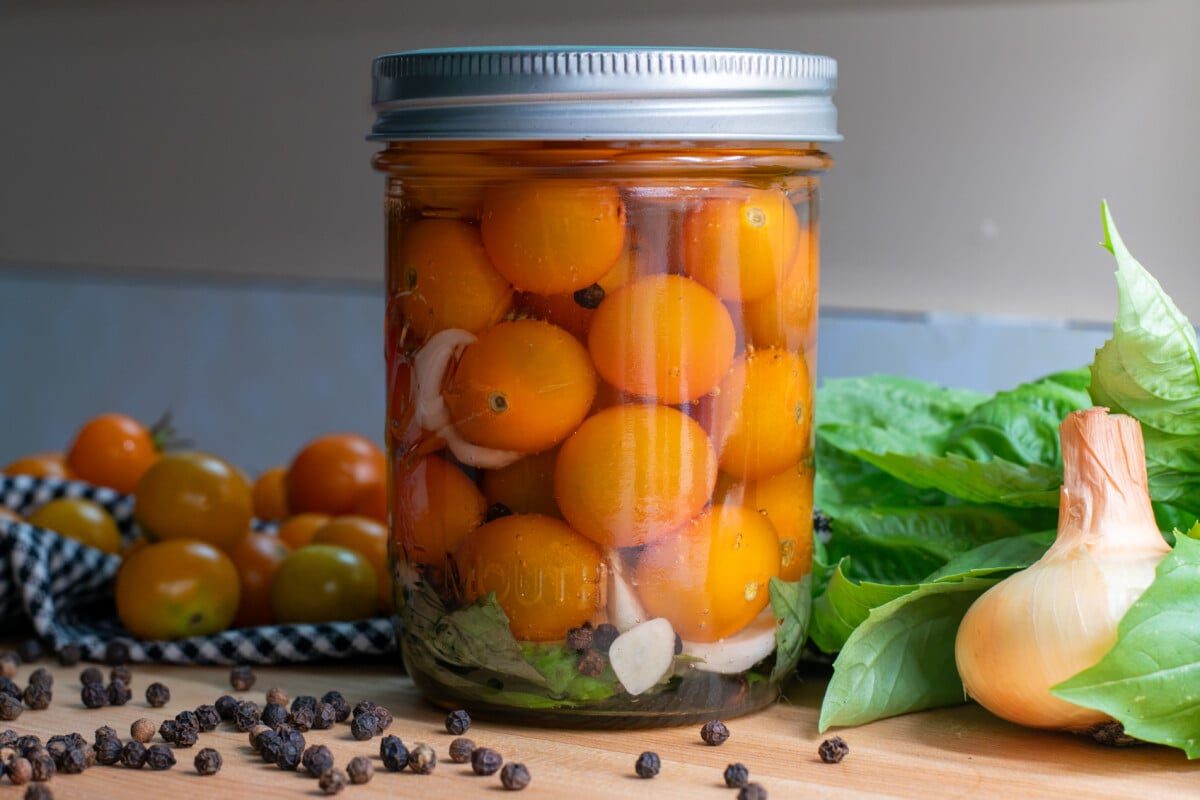
Why Quick Pickles Skip the Canning Line
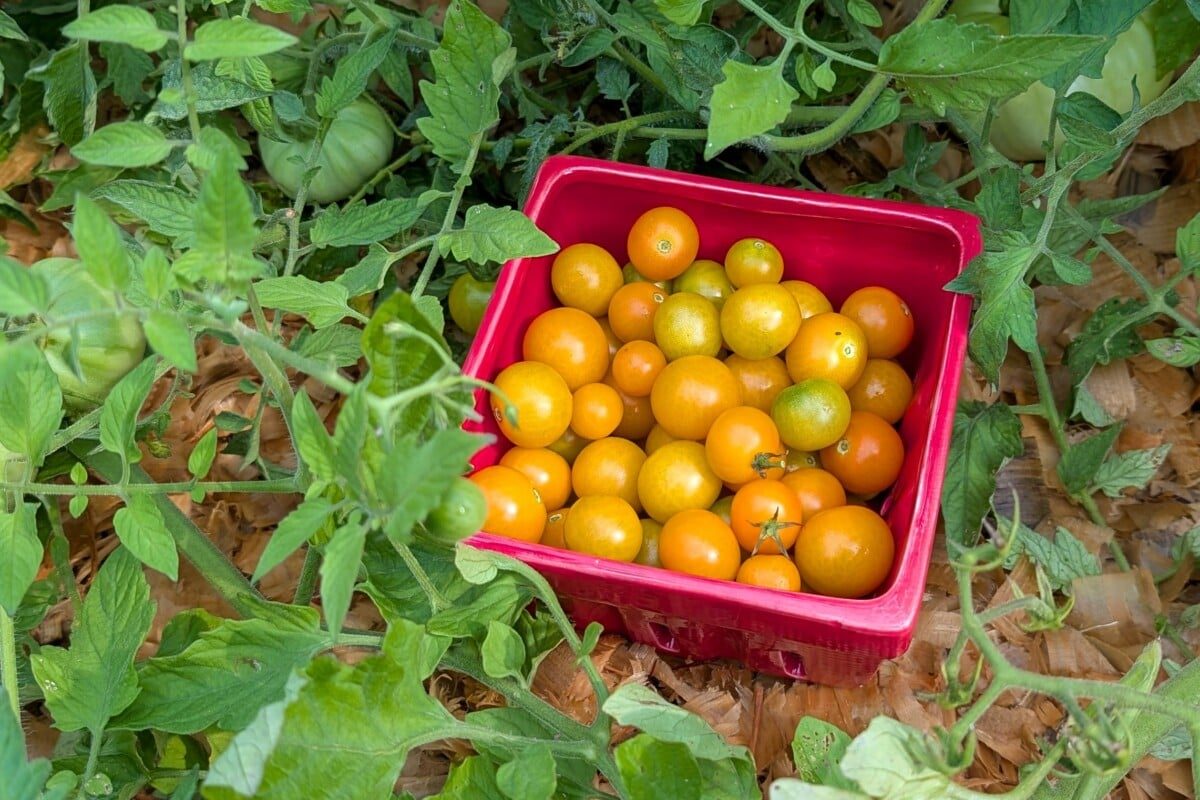
Quick pickles have taken over home kitchens without a single canning pot in sight. They skip the water bath, the sterilized jars, and the shelf-stable anxiety, trading them for a simple soak in a flavorful brine and a ticket straight to the refrigerator. That convenience has made them the entry point for new picklers, and tomato fans are catching on. The payoff is a crunchier texture and far more room for experimentation than any heat-processed jar. A batch takes minutes of actual work—no hot kitchen, no special equipment, no dozen jars lined up on a shelf. For anyone with a cherry tomato plant that's overproducing, this is the easiest possible answer. The tomatoes stay firm, pop open in your mouth, and soak up whatever aromatics you choose. Even during a chaotic move, with most of the kitchen packed away, a single jar, a saucepan, and a working faucet are enough to turn out a fresh batch daily.
The Brine: Pick Your Vinegar and Salt
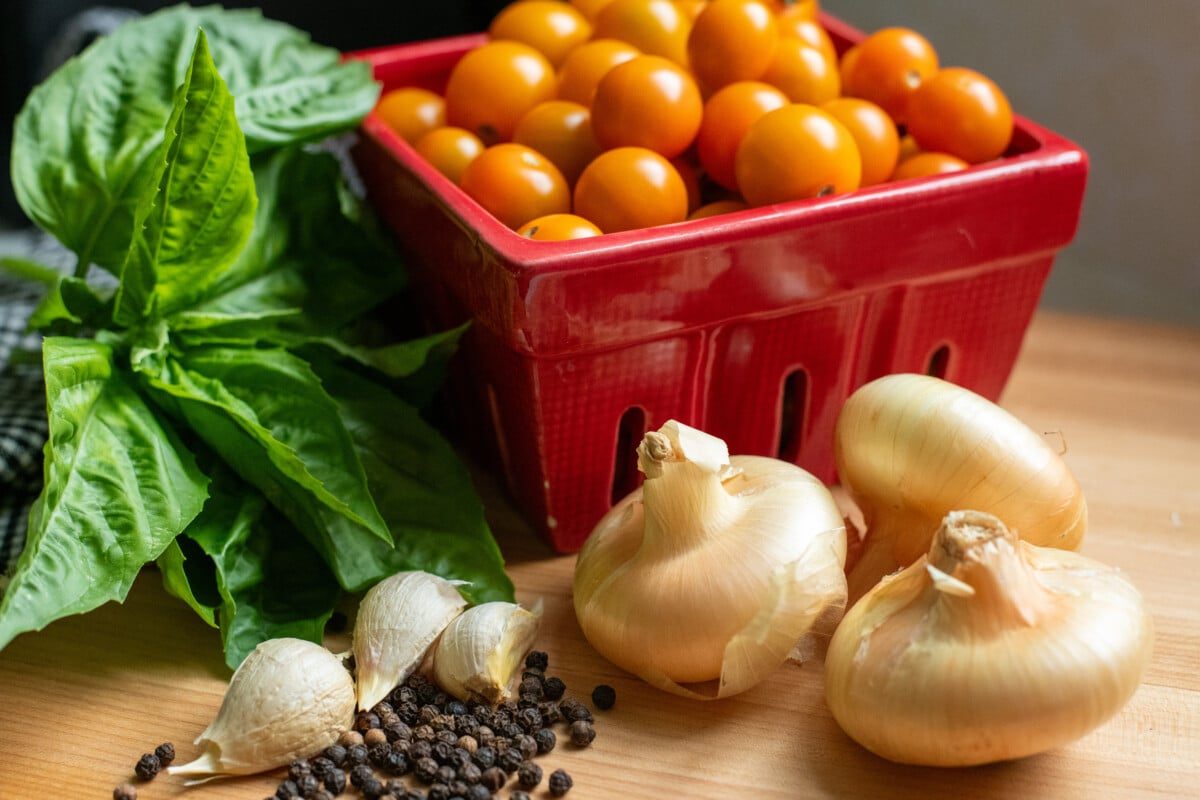
The brine is where quick pickles get their personality. This standard formula works as a blank canvas: three-quarters cup water, three-quarters cup white vinegar or white balsamic vinegar, one tablespoon kosher salt (the flaky kind), and two teaspoons sugar. The sugar is optional; omit it for a sharper, more aggressive tang. If you swap out the kosher salt, note that different salts take up different space—use one and three-quarter teaspoons of table salt or pickling salt, or two teaspoons of fine sea salt, to match the flake size. Along with the brine, a handful of aromatics goes into the jar before the tomatoes: two tablespoons of thinly sliced onion, one sliced garlic clove, four to six fresh basil leaves (give them a firm clap between your palms to bruise and release their oils), and half a teaspoon of black peppercorns. From there, experiment freely: try apple cider or champagne vinegar, swap basil for tarragon or dill, or add a dried chili for heat. The brine is your sandbox.
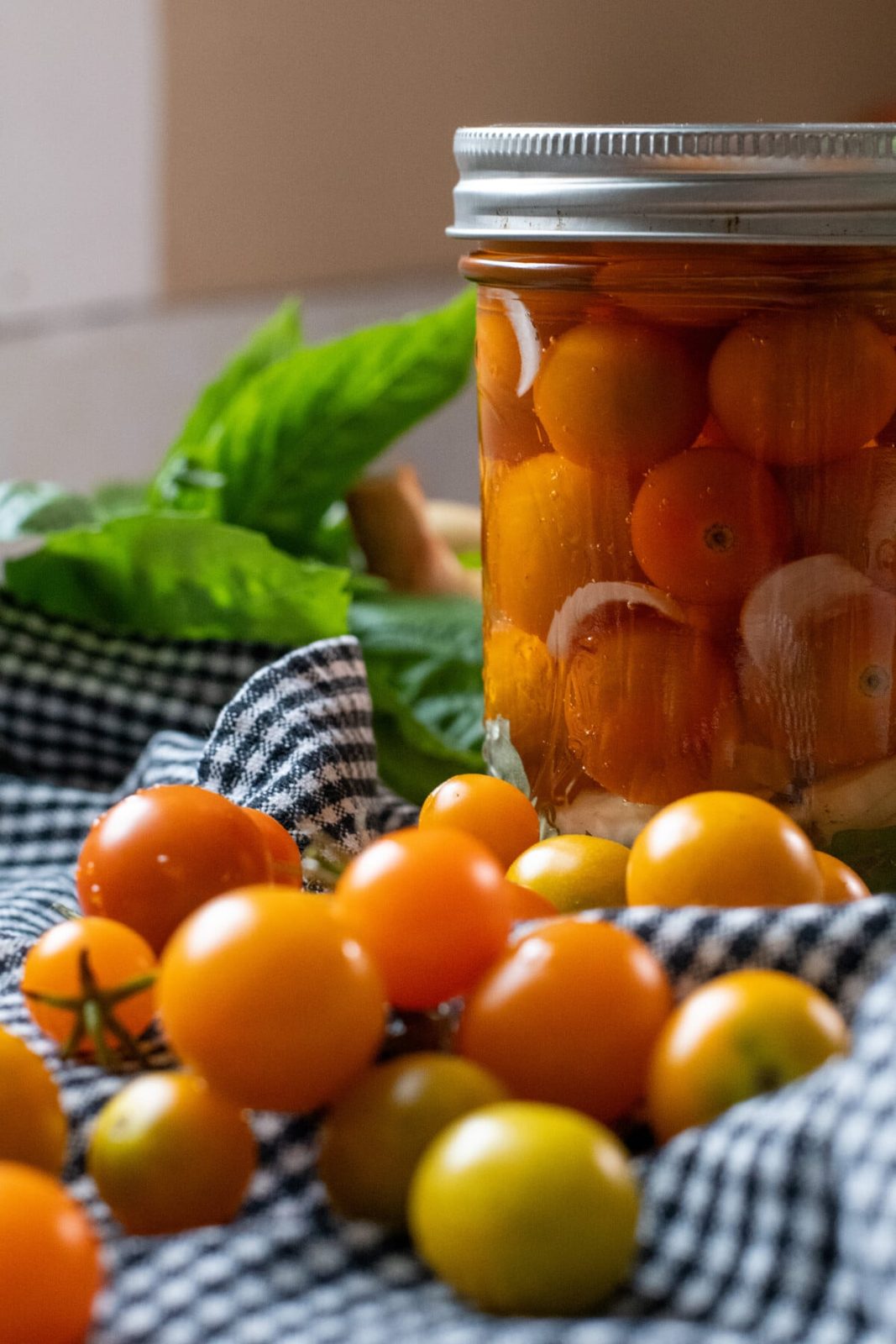
From Jar to Fridge: Simple Assembly
Assembly is almost embarrassingly simple. Start with a clean pint jar. Tuck the basil, onion, garlic, and peppercorns into the bottom, then pack in the pricked tomatoes. Heat the water, vinegar, salt, and sugar in a small saucepan until the salt and sugar dissolve completely—don't boil hard, just a simmer. Pour the hot brine over the tomatoes, leaving a quarter- to half-inch of headspace. Screw on the lid and invert the jar several times, which lets trapped air bubble up to the top. Open it, top off with extra brine if needed, then close, label with the date, and slide it into the fridge. You can taste one after 24 hours, but the magic happens around day four, when the tomatoes have absorbed enough brine to develop a deeper tang. Refrigerated, the pickles hold for up to four weeks—though you'll likely finish them earlier. A plastic fork or a spoon, not your fingers, is the right way to fish them out; your hands introduce bacteria that shortens their shelf life.
Serve Them Straight From the Jar
Pickled cherry tomatoes earn their place next to everything that needs a kick. Toss a handful into a plain green salad and watch a dull bowl turn electric—their zing lifts even iceberg lettuce. Serve them on a cheese board or charcuterie platter, where the bright acidity cuts through the fat of aged cheddar or prosciutto. And they're honest-to-goodness snack food: a jar, a fork, and a standing spot by the fridge. Because they're bite-size, they disappear fast, so keep a second jar going if you have the tomatoes. The pickle also carries a decent dose of vitamin C, a welcome kick in the dullest winter months when you'd otherwise be eating root vegetables. This is the recipe to turn a glut of cherry tomatoes into a month's worth of instant salad dressing, appetizer, and fridge grazing—no canning water, no sealed jars, no pantry real estate.
Keep reading

6 Auto-Insurance Moves That Lower Your Premium, Not Your Protection
Understanding full coverage, using repair costs to set deductibles, cleaning your record, stacking discounts, weighing service over price, and blending digital quotes with human advice—these six tactics cut costs without cutting coverage.

7 DeWalt 20V MAX Tools Ace Hardware Is Bundling With a Free $169 Battery Kit
For a limited time, Ace Hardware throws in a 20V MAX XR Battery and Charger Starter Kit at no extra cost when you buy any of these bare tools from DeWalt's ATOMIC or XR lines.
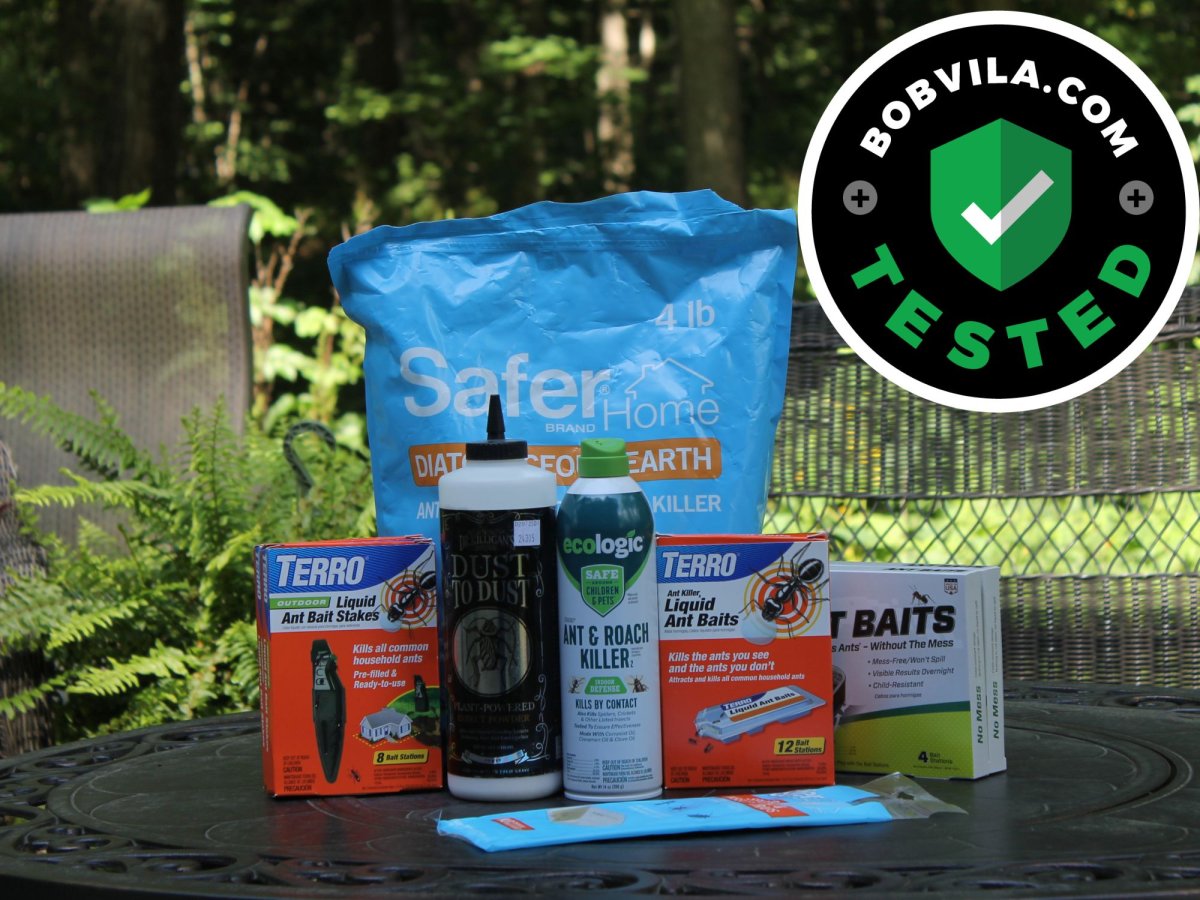
7 Store-Bought Ant Killers, Tested for Six Weeks: The Weakness in Each
Six weeks of in-home testing rated seven ant killers on ease, effectiveness, and value, revealing the specific failure point of every product.