6 Auto-Insurance Moves That Lower Your Premium, Not Your Protection
Understanding full coverage, using repair costs to set deductibles, cleaning your record, stacking discounts, weighing service over price, and blending digital quotes with human advice—these six tactics cut costs without cutting coverage.

Know What Full Coverage Actually Adds
Before you price policies, split the two main coverage tiers. Liability insurance pays for damages you cause to other people and their property, and it carries a materially lower premium than its fuller counterpart. Full coverage stacks collision and comprehensive on top of that liability base, which means it also covers your own vehicle in a crash, theft, or weather event. NerdWallet points out that the broader protection comes with proportionally higher rates. The trade-off is straightforward: a liability-only policy leaves you financially exposed if your car is totaled, while full coverage shifts that risk to the insurer at an added cost. A driver with an older, low-value car may reasonably opt for liability alone, while a newer vehicle with a loan often demands full coverage to satisfy the lender. The right answer depends on the car's market value and your ability to absorb a loss, not on a generic rule.
- Category: Coverage Type
- Source: NerdWallet
Let the Car's Repair Bill Set Your Premium
The vehicle you drive is a fixed factor in your rate, and it can work for or against you. Mercury Insurance stresses that choosing a car with a strong safety record and low repair costs can significantly lower your insurance rates. That means models with high crash-test ratings, modest replacement part prices, and a history of few claims. A sedan with cheap bumpers and wide availability of aftermarket parts will always be cheaper to insure than a luxury coupe with expensive structural components. Before you sign a purchase agreement, run the car's VIN by your insurer and ask for a quote — it takes minutes and reveals how much of your premium is baked into the bodywork. Beyond the purchase price, this is the single most controllable factor in your rate, because you select the vehicle voluntarily. Pick for safety and repairability, and you lock in savings for every renewal while the car remains yours.
- Category: Vehicle Choice
- Source: Mercury Insurance
Clean Up Your Record, Then Shop Around
A single speeding ticket can raise your rate for years, and a DUI compounds the damage far beyond the fine. NerdWallet notes that violations like these increase premiums significantly, but drivers don't have to sit with the penalty. Shopping around or opting for a smaller insurer can secure cheaper insurance even after a blemish on your record. Smaller carriers often have more flexible underwriting criteria than the big-name companies, and they may weigh your violation less heavily if you have a long history of clean driving before it. The strategy is to gather quotes from at least three insurers, including regional and direct-to-consumer firms, rather than assuming the post-violation premium is fixed. Some states also offer defensive-driving courses that can lead to a discount after a ticket, though that varies by jurisdiction. Your past mistakes matter, but they don't have to dictate your permanent rate.
- Category: Driving Record
- Source: NerdWallet
Stack Discounts Like a Pro
Discounts play a pivotal role in reducing premiums without cutting coverage. GEICO lists three high-impact options: bundling policies, good driving discounts, and low-mileage discounts. Bundling combines auto with home or renters coverage, which often leads to a multi-policy discount that can lower your overall premium by a significant percentage. Good driving rewards a clean record—no at-fault accidents, speeding tickets, or DUIs—so maintaining that record is crucial because violations can raise rates substantially. Low-mileage applies to those who drive less than a certain annual threshold, and insurers recognize that fewer miles mean lower risk. To take full advantage, you should ask your insurer explicitly about each discount and confirm they are applied to your policy. These discounts stack, so a driver who bundles, has a clean record, and drives less can see a substantial cumulative reduction. Remember to re-evaluate your eligibility annually, as your driving habits or coverage needs may change, and always compare quotes from multiple insurers to ensure you're getting the best rate after applying these savings.
- Category: Discounts
- Source: GEICO
Don't Let a Cheap Premium Hide Bad Service
A rock-bottom rate loses its appeal when a claim turns into a headache. Liberty Mutual emphasizes maintaining quality service while offering competitive prices, and its user-friendly app lets policyholders manage coverage efficiently. That app streamlines tasks like viewing your policy, making payments, and filing claims directly from your phone, which reduces the friction that often complicates insurance interactions. Effective customer service is a significant consideration when selecting an insurer, as poor service can negate any potential savings if a claim is delayed or denied. Instead of focusing solely on the monthly premium, evaluate the insurer's track record for claims handling and customer support. A slightly higher premium from a company known for responsive service may end up costing less over the year because you avoid the hassle and potential out-of-pocket expenses that come with a dispute. Affordability should be measured in total cost over a year, not just the monthly premium, factoring in the likelihood of a smooth claim experience when you need it most.
- Category: Service Quality
- Source: Liberty Mutual
Pair Digital Quotes With a Human Agent
Online comparison tools deliver volume, but a conversation with an insurance agent surfaces problems that a drop-down menu can't. An independent agent who represents multiple carriers can explain why a particular quote is low — for instance, a stripped-down liability limit that leaves you exposed — and can match your actual risk profile to a policy. While Insurify and similar platforms automate the quote gathering, an agent takes the time to ask about your commute length, garage security, and extra drivers in your household. These details change what you should buy, not just what you pay. The best approach is sequential: use a comparison site to get a baseline price, then bring that number to an agent and ask if they can match or beat it while offering stronger coverage. The agent earns a commission from the insurer, so their advice is free to you, and they often have access to niche carriers that don't appear on the big aggregators.
- Category: Shopping Strategy
Keep reading

7 DeWalt 20V MAX Tools Ace Hardware Is Bundling With a Free $169 Battery Kit
For a limited time, Ace Hardware throws in a 20V MAX XR Battery and Charger Starter Kit at no extra cost when you buy any of these bare tools from DeWalt's ATOMIC or XR lines.
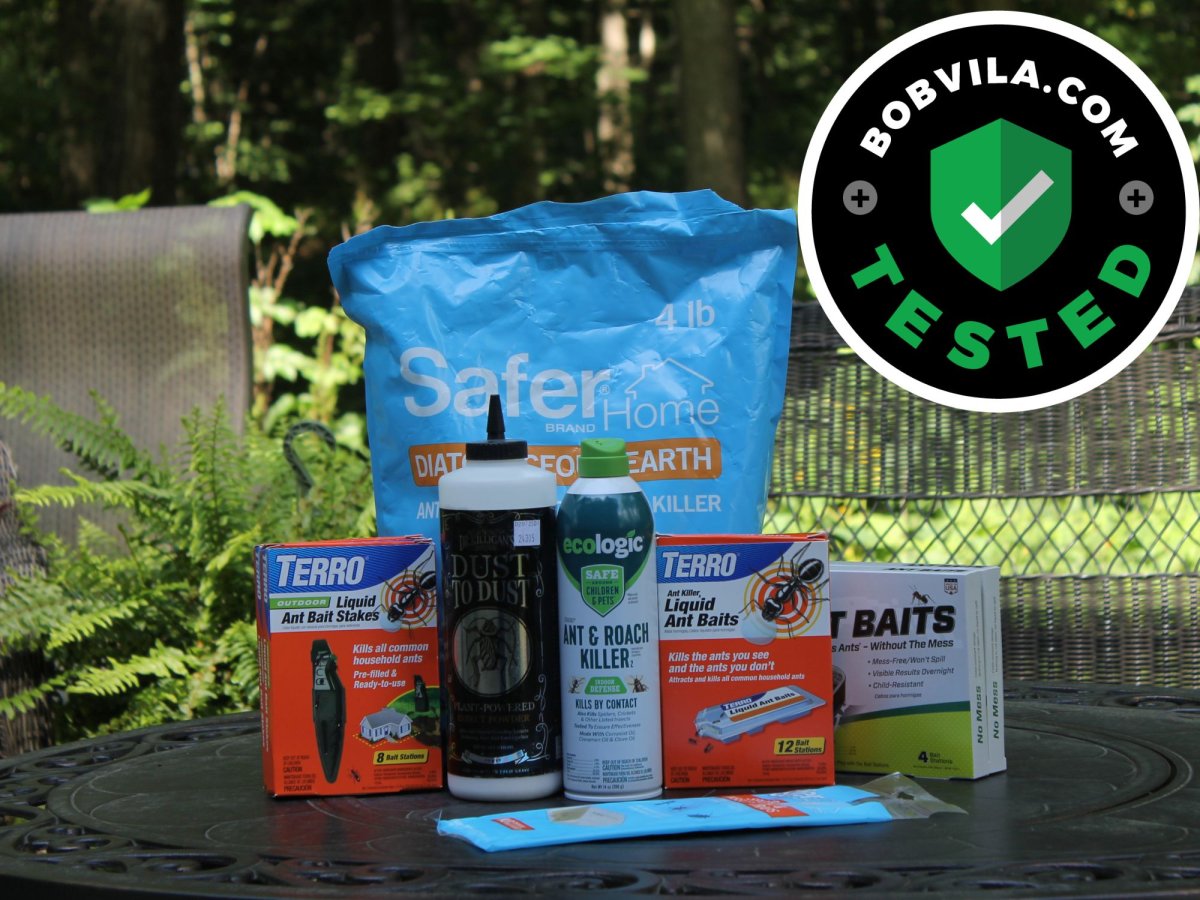
7 Store-Bought Ant Killers, Tested for Six Weeks: The Weakness in Each
Six weeks of in-home testing rated seven ant killers on ease, effectiveness, and value, revealing the specific failure point of every product.

8 Barn Fire Hazards You're Probably Overlooking — and the Exact Fix for Each
From hay that self-ignites to a cigarette butt and a door that won't swing outward, these eight risks show where fires start and the measures that stop them.