AB-628: California Landlords Must Now Supply a Working Stove and Fridge Starting Jan. 1
The new law requires most rental units to include a functioning stove and refrigerator, with exceptions for communal cooking and a tenant option to bring a fridge.
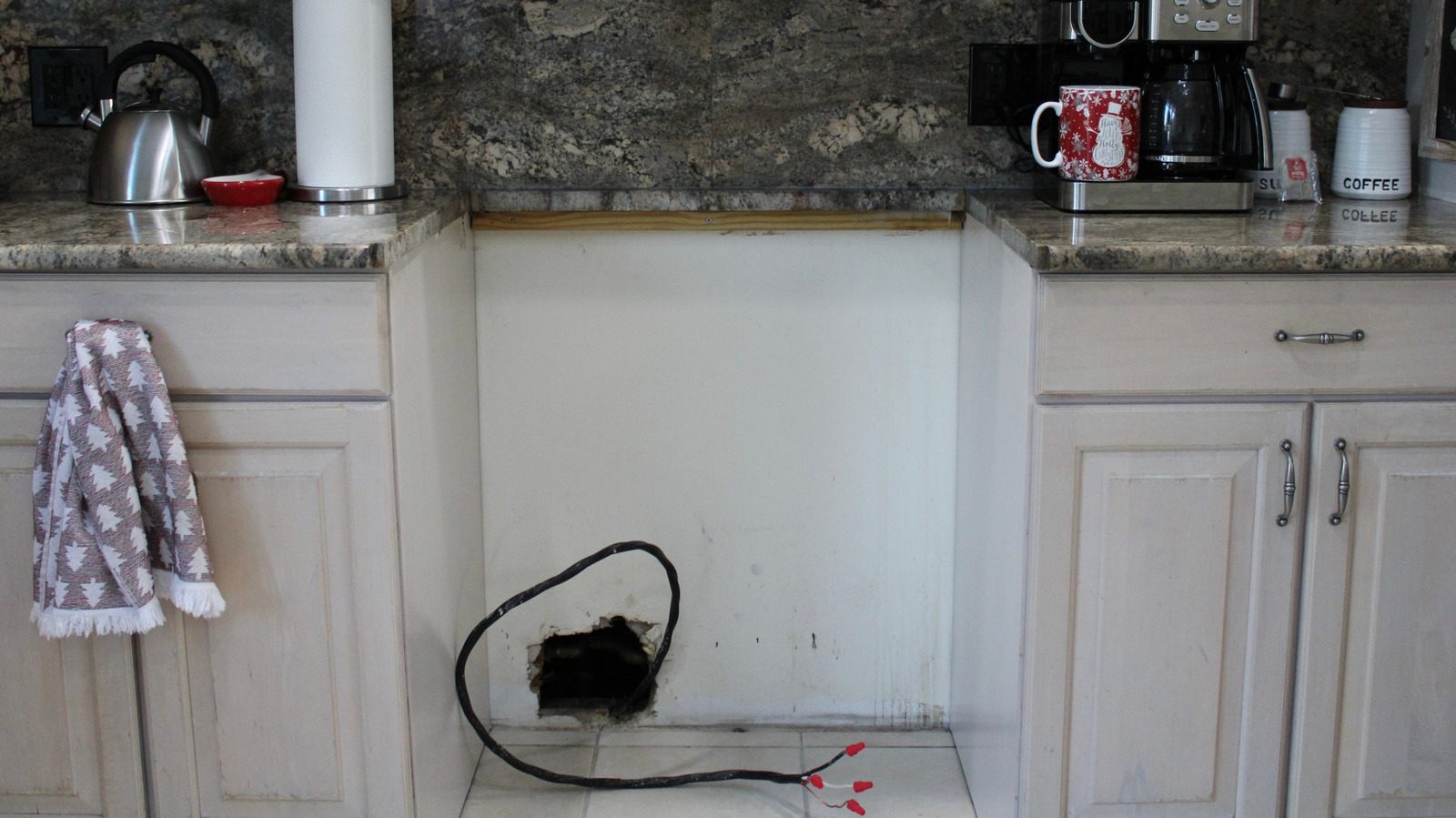
What exactly does AB-628 require landlords to provide?
AB-628, adopted in October 2025, makes a working stove and refrigerator mandatory habitability features for most California rentals. For any lease initiated, amended, or extended on or after January 1, 2026, the landlord must install and maintain both appliances in working order. The state assembly's bill analysis noted that heat, lighting, and hot water were already required, but stoves and fridges were treated as optional extras. Now they are on the same legal footing. The law also requires that any appliance under a recall be replaced within 30 days. If a unit lacks these appliances at the start of a covered lease, it is not legally habitable, which means the tenant can enforce the requirement through standard habitability procedures. The landlord is solely responsible for providing and maintaining the stove; the tenant cannot be required to bring one.
When does the law take effect, and will it apply to my existing lease?
Suppose you signed your lease in 2025 and it runs into 2026. The new obligation will not necessarily apply to you right away. The law attaches to lease actions—beginning a lease, amending one, or extending one—rather than to the mere passage of time. So a renewal signed after January 1, 2026, or an amendment that changes terms after that date, will trigger the requirement. For month-to-month tenancies, a continuation past the cutoff could count as an extension; you should check your rental agreement to see how it defines renewal. The California State Assembly's bill analysis explained that stoves and refrigerators were previously optional, unlike heat, lighting, and hot water. That distinction is why the law is tied to lease actions: each new lease, amendment, or extension is the moment when the unit must meet the new habitability standard. Landlords had from October 2025, when the bill was adopted, to prepare their units for the January 1, 2026, effective date.
Which rentals are exempt from the new requirement?
The new law does not apply to every rental. Exempt are single-room occupancy units, residential hotels, and assisted living facilities that provide shared or communal cooking facilities. Also exempt is permanent supportive housing designed to help people facing homelessness. In these settings, the landlord may rely on a common kitchen rather than installing a stove and refrigerator inside each unit. That means a tenant in an SRO or residential hotel might have to share cooking equipment with other residents. The exemption is tied to the existence of those communal cooking spaces; a landlord cannot claim the exemption for a standard apartment just because the building happens to have a shared kitchen. For all other unit types—apartments, houses, duplexes, and similar—the requirement stands. Landlords of exempt properties may still choose to provide appliances voluntarily, but they are not obligated under the law.
Who is responsible for repairing a broken stove or refrigerator?
The landlord is the party responsible for keeping both the stove and refrigerator in working order. Because AB-628 makes these appliances part of a unit's basic habitability features, a breakdown is treated like a failure of heat or hot water. The one concrete deadline the law provides is for recalled appliances: those must be replaced within 30 days. For any other malfunction, there is no statutory timeline, so the process you follow depends on your lease. Most leases include a maintenance request clause that tells you how to report a problem and sets an expected response time. If your lease is silent on this, California's general habitability rules still require the landlord to act reasonably quickly, though what counts as reasonable can vary. The key point is that you do not have to fix the appliance yourself or pay for repairs; that cost falls on the landlord.
What happens if my landlord refuses to provide these appliances after the law starts?
The immediate consequence is that the unit is not legally habitable. That status triggers the same remedies California already provides for habitability failures: you may withhold rent, repair and deduct the cost from your next payment, or break your lease without penalty. The new law does not create a separate enforcement mechanism; it simply adds stoves and refrigerators to the list of essential features, meaning their absence is now a serious violation. In practice, you should document the missing appliances, send a written request to the landlord asking them to install them, and give a reasonable deadline. The law's legislative analysis explicitly states these appliances are basic features, which strengthens your position if you need to invoke the habitability remedies. Because the law treats the absence as a failure to provide a habitable unit, courts are likely to side with a tenant who withholds rent or leaves without penalty after giving notice. Keep all records of your request and the landlord's response.
Keep reading

6 Auto-Insurance Moves That Lower Your Premium, Not Your Protection
Understanding full coverage, using repair costs to set deductibles, cleaning your record, stacking discounts, weighing service over price, and blending digital quotes with human advice—these six tactics cut costs without cutting coverage.

7 DeWalt 20V MAX Tools Ace Hardware Is Bundling With a Free $169 Battery Kit
For a limited time, Ace Hardware throws in a 20V MAX XR Battery and Charger Starter Kit at no extra cost when you buy any of these bare tools from DeWalt's ATOMIC or XR lines.

7 Store-Bought Ant Killers, Tested for Six Weeks: The Weakness in Each
Six weeks of in-home testing rated seven ant killers on ease, effectiveness, and value, revealing the specific failure point of every product.